

Table of Contents
- What Is Non-Invasive Skin Rejuvenation?
- Key Benefits of Non-Surgical Treatments
- Laser and Light-Based Therapies for Skin Resurfacing
- Injectables: Botox, Dermal Fillers, and Biostimulation
- Microneedling and Radiofrequency Skin Tightening
- Non-Surgical Skin Tightening Recovery Time and Realistic Results
- At-Home vs Professional Skin Rejuvenation: Which Is Right for You?
- How to Choose a Medical Aesthetician and Prepare for Treatment
- Frequently Asked Questions
Last Updated: September 3, 2026
What Is Non-Invasive Skin Rejuvenation?
Non-invasive skin rejuvenation refers to cosmetic treatments that refresh and improve skin appearance without surgical incisions, general anesthesia, or significant downtime. These procedures stimulate collagen production, resurface the epidermis and dermis, or restore volume to address fine lines, wrinkles, pigmentation, and skin laxity using targeted technologies like lasers, radiofrequency, ultrasound, injectables, and mechanical devices.

The appeal is straightforward: visible results without the recovery burden. Most treatments allow you to return to normal activity the same day or within 24 hours. At Ageless Glow, we understand that many people want meaningful skin improvement but hesitate when faced with surgical options, extended downtime, or unpredictable outcomes. Non-invasive skin rejuvenation bridges that gap by delivering measurable aesthetic outcomes through minimally invasive methods.
The range of options available, laser therapies, chemical peels, microneedling, radiofrequency skin tightening, injectables, and combination approaches, means you're selecting from multiple treatments tailored to different skin concerns and principles. Understanding which problems each treatment solves and which aligns with your skin type, age, and expectations is the first step.
Key Benefits of Non-Surgical Treatments
Non-surgical treatments offer distinct advantages over more invasive alternatives. First, the safety profile is strong when performed by qualified practitioners. These procedures use FDA-cleared or clinically validated technologies with well-documented risk profiles (the FDA). Serious complications are rare, and when side effects occur, erythema, mild swelling, temporary sensitivity, they resolve within days.
Second, the financial commitment is manageable. A single laser session typically ranges from $200 to $800 depending on the area treated and technology used (the American Academy of Dermatology). Injectables cost between $300 and $1,000 per treatment. Compare that to surgical facelifts, which run $10,000 to $25,000, and the economics become clear. Most people see meaningful results after 3 to 6 treatments spaced 4 to 8 weeks apart.
Third, customization is built in. A medical aesthetician can layer different modalities, combining microneedling with radiofrequency, or pairing injectables with laser resurfacing, to target your specific concerns. Results are also predictable. You're not hoping for transformation; you're expecting gradual, measurable improvement in skin texture, tone, fine lines, and firmness. Most people notice changes within 2 to 4 weeks, with continued improvement over 3 to 6 months as collagen remodeling deepens.
Laser and Light-Based Therapies for Skin Resurfacing
Laser and light-based treatments are the workhorses of non-invasive skin rejuvenation. They work by emitting specific wavelengths of light that penetrate the skin and trigger controlled injury to stimulate collagen production and cellular turnover.
Fractional lasers treat only a fraction of the skin at a time, leaving surrounding tissue intact. This dramatically reduces downtime while maintaining efficacy. You might experience mild erythema for 24 to 48 hours but can typically return to work the next day. Results include smoother texture, reduced fine lines, and improved skin tone.
IPL (Intense Pulsed Light) treatments use broad-spectrum light rather than a single laser wavelength. IPL is particularly effective for sun damage, age spots, and rosacea. Multiple sessions, typically 4 to 6, are needed for optimal results, spaced 3 to 4 weeks apart. IPL has minimal downtime, though you'll need to avoid sun exposure and wear SPF 30 or higher for several weeks post-treatment.
CO2 and erbium lasers are more aggressive options that create deeper injury and stronger collagen remodeling. They're excellent for deeper wrinkles and significant skin laxity but require 1 to 2 weeks of visible recovery. These are better suited for people willing to take time off work or those treating specific problem areas.
The key advantage of laser and light-based therapy is speed. A single session takes 20 to 45 minutes depending on the area treated. Many practitioners recommend starting with fractional laser or IPL if you're new to professional skin rejuvenation, as they balance efficacy with minimal downtime.
Injectables: Botox, Dermal Fillers, and Biostimulation
Injectables represent a different philosophy: instead of resurfacing, they either relax muscles or restore volume.
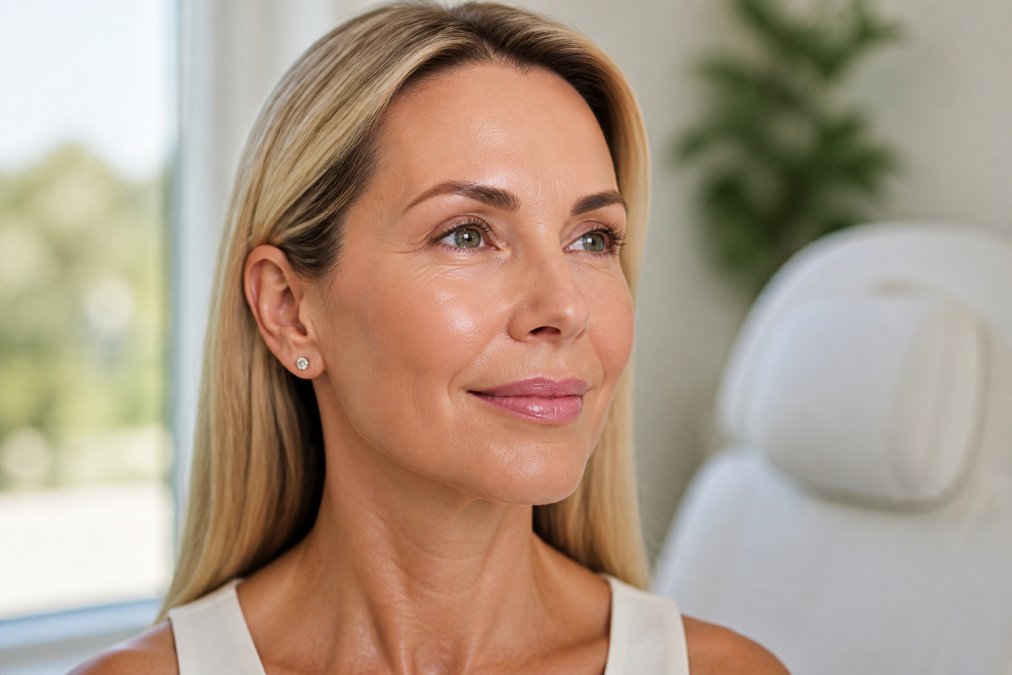
Botox and similar neurotoxins (Dysport, Xeomin) work by blocking the nerve signals that cause muscles to contract. When injected into the forehead, between the brows, or around the eyes, they prevent the repetitive muscle movements that create dynamic wrinkles. Results appear gradually over 3 to 7 days and peak at 2 weeks (the FDA). The effect lasts 3 to 4 months, after which the muscle gradually regains function. Botox is preventative for younger skin and corrective for established wrinkles.
Dermal fillers use hyaluronic acid, calcium hydroxylapatite, or other biocompatible materials to restore lost volume. Fillers plump the skin and lift sagging areas, smoothing wrinkles and restoring facial contours. Results are immediate, though swelling may obscure the final result for 24 to 48 hours. Most fillers last 6 to 18 months depending on the product and location. Fillers work beautifully in combination with Botox.
Biostimulation products (like Radiesse or Sculptra) stimulate your own collagen production rather than adding volume directly. Results are gradual but long-lasting, often 2 years or more. Biostimulation is ideal if you want natural-looking results that don't appear "done."
Injectable treatments require skill. A poorly placed injection can look unnatural or cause bruising and asymmetry. Beginners often start with small amounts of Botox in one area or subtle filler in the lips or cheeks, allowing you to see how you respond before expanding treatment.
Microneedling and Radiofrequency Skin Tightening
Microneedling and radiofrequency represent two of the most effective non-invasive skin rejuvenation technologies for collagen induction and skin tightening.
Microneedling uses a device with fine needles to create controlled micro-injuries in the dermis, stimulating collagen and elastin production through the body's natural wound-healing cascade. A single session takes 20 to 30 minutes, and you'll experience mild erythema and slight swelling for 24 to 48 hours. Most people can return to normal activity the next day. Results improve progressively over 3 to 6 months as collagen remodels. Many practitioners recommend a series of 3 to 6 treatments spaced 4 to 6 weeks apart for optimal results.
Microneedling is particularly effective for texture, acne scars, and fine lines. It's also one of the gentler options, making it suitable for sensitive skin or those with darker skin tones, which can be prone to hyperpigmentation with certain lasers.
Radiofrequency (RF) skin tightening uses heat energy to contract collagen fibers and stimulate new collagen formation. Unlike lasers that target pigment or hemoglobin, RF energy works on any skin type and doesn't carry the hyperpigmentation risk. You'll feel warmth during treatment, and some devices use cooling to manage discomfort. Downtime is minimal, with mild erythema that fades within hours.
Results from radiofrequency appear gradually over 2 to 6 months. Most people benefit from a series of 4 to 6 treatments spaced 2 to 4 weeks apart, followed by maintenance sessions annually. RF is excellent for skin laxity and jowls, areas where you need actual tightening rather than just texture improvement.
| Treatment | Best For | Downtime | Results Timeline | Cost Per Session |
|---|---|---|---|---|
| Fractional Laser | Fine lines, texture, sun damage | 24-48 hours | 2-4 weeks | $300-$600 |
| IPL | Sun spots, rosacea, pigmentation | Minimal | 3-4 weeks | $250-$500 |
| Microneedling | Scars, texture, fine lines | 24-48 hours | 3-6 months | $200-$400 |
| Radiofrequency | Skin laxity, tightening | Minimal | 2-6 months | $300-$800 |
| Botox | Dynamic wrinkles, prevention | None | 3-7 days | $300-$600 per area |
| Dermal Fillers | Volume loss, wrinkles | 24-48 hours | Immediate | $300-$1,000 |
Non-Surgical Skin Tightening Recovery Time and Realistic Results
Understanding recovery and realistic timelines is crucial for beginners. Most non-invasive skin rejuvenation treatments have minimal downtime, but "minimal" doesn't mean "none." Expect mild erythema, slight swelling, and temporary sensitivity for 24 to 48 hours after laser, microneedling, or radiofrequency treatments. You can apply makeup and return to work, but your skin will look slightly irritated. Avoid intense exercise, saunas, and direct sun for at least 48 hours.
Injectables have even less downtime. Botox has no downtime at all. Fillers may cause minor bruising or swelling that peaks at 24 to 48 hours and fades within a week.
The realistic results timeline varies by treatment. Botox appears gradually over 3 to 7 days, peaking at 2 weeks. Laser and light-based treatments show initial improvement within 2 to 4 weeks, with continued improvement for 3 to 6 months. Microneedling and radiofrequency follow a similar pattern. Fillers are immediate but may look slightly overcorrected for 24 to 48 hours due to swelling.
Most people see meaningful improvement after a series of 3 to 6 treatments spaced 4 to 8 weeks apart. Gradual improvement allows your skin to adapt and produces more natural-looking results than aggressive single treatments.
Maintenance is also realistic. Results aren't permanent. Botox lasts 3 to 4 months, fillers last 6 to 18 months, and laser or radiofrequency results gradually fade over 1 to 2 years. Most people maintain results with touch-up treatments 2 to 4 times yearly or annual maintenance sessions.
At-Home vs Professional Skin Rejuvenation: Which Is Right for You?
The market for at-home skin rejuvenation devices has exploded, and understanding the real differences between professional and at-home options helps you make an informed choice.
Professional treatments use medical-grade equipment with higher power output, longer wavelengths, and more precise targeting than consumer devices. Professional practitioners are trained to assess your skin, adjust settings for your specific concerns, and manage complications. This expertise and equipment power translate to faster, more dramatic results.
At-home devices are designed for safety and convenience, which means they're significantly less powerful. A consumer microneedling pen uses shorter needles and lower frequency than professional equipment. At-home LED devices deliver light at lower intensities than professional lasers. This reduced power means longer treatment timelines and more modest results, but also minimal risk and no downtime.
At-home devices work, but slowly. If you're willing to use them consistently for 3 to 6 months, you'll see improvement in texture and fine lines. They're excellent for maintenance between professional treatments or for people with budget constraints. Ageless Glow offers tools like the Heart Shaped Gua Sha Board ($36.99), which promotes lymphatic drainage and enhances glow through consistent use, a gentle, affordable option that complements professional treatments.

Professional treatments are faster and more dramatic, but they cost more and require multiple visits. Many people use both: professional treatments for meaningful results, then at-home tools for maintenance and daily skincare support.
How to Choose a Medical Aesthetician and Prepare for Treatment
Selecting the right practitioner is as important as choosing the right treatment. A skilled medical aesthetician can deliver beautiful results; an inexperienced one can cause bruising, asymmetry, or overly aggressive treatment.
Credentials matter. Look for practitioners with formal training in aesthetic medicine. Ask about continuing education; the field evolves constantly.
Before-and-after photos tell the story. Ask to see results from treatments similar to what you want. Look for natural-looking outcomes that enhance rather than transform. If every photo looks dramatically different, that suggests overly aggressive treatment.
Consultation is essential. A good practitioner listens, asks about your goals and medical history, and explains realistic expectations. They should discuss contraindications and what you'll experience during and after treatment.
Pre-treatment preparation significantly impacts results and safety. Stop retinoids, vitamin C, and exfoliating acids 3 to 5 days before treatment. Avoid sun exposure and use SPF 30 or higher for 2 weeks before treatment. If you're prone to cold sores, ask your practitioner about preventative antiviral medication. Avoid blood thinners like aspirin or ibuprofen for 24 to 48 hours before treatment to minimize bruising.
Post-treatment care is where many people stumble. Follow your practitioner's instructions precisely. This typically includes:
- Avoid sun exposure and wear SPF 50 for at least 2 weeks
- Skip intense exercise and saunas for 48 hours
- Use gentle, fragrance-free cleansers
- Apply prescribed post-treatment serums or creams
- Avoid makeup for 24 hours after laser or microneedling
- Don't pick at peeling skin, let it shed naturally
Ageless Glow's Full-Size Korean Skincare Set for Dark Spots, Fine Lines & Glass Skin ($170.94) provides a complete routine with hyper serum, hydration, and barrier support, ideal for post-treatment recovery when your skin needs extra nourishment and protection.
Non-invasive skin rejuvenation offers a practical path to visible improvement without surgical risk or extended recovery. Whether you choose laser resurfacing, injectables, microneedling, or radiofrequency, the key is selecting treatments matched to your specific concerns and committing to the timeline realistic results require. Start with a consultation from a qualified medical aesthetician, prepare your skin properly, and support the process with targeted skincare. At Ageless Glow, we're committed to helping you achieve flawless skin through both professional guidance and professional-grade skincare products that amplify your results and maintain your glow between treatments.
Frequently Asked Questions
What is the most effective non-invasive skin rejuvenation treatment for beginners?
The best starting treatment depends on your specific concerns. For fine lines and wrinkle reduction, laser and light-based therapies offer excellent results with minimal downtime. For volume loss and deeper lines, dermal fillers provide immediate results. Microneedling is ideal if you're concerned about skin texture and collagen production. A medical aesthetician can assess your skin and recommend the most suitable option during a clinical consultation.
How long does it actually take to see results from non-invasive skin rejuvenation?
Results vary by treatment. Injectables like Botox show visible changes within 3-7 days, with full results by week two. Dermal fillers deliver immediate volume restoration. Laser and radiofrequency treatments require 2-4 weeks for collagen remodeling to produce noticeable skin tightening and texture improvement. Microneedling shows gradual improvement over 4-6 weeks as cellular turnover increases. Most treatments require maintenance sessions every 3-6 months for sustained results.
What are the main differences between at-home vs professional skin rejuvenation?
Professional treatments like laser therapy, injectables, and radiofrequency deliver stronger, faster results because they penetrate deeper into the dermis and are administered by trained aestheticians. At-home options like serums, retinol creams, and gua sha tools offer gentler, gradual improvements and cost less but require consistent use over months. Many people combine both: professional treatments for dramatic results and at-home skincare like our Retinol Face Cream or Korean Skincare Set to maintain and extend those results between appointments.
How much downtime should I expect after non-invasive skin treatments?
Most non-invasive treatments have minimal downtime. Injectables require no recovery time. Laser and light-based therapies may cause mild erythema (redness) for a few hours to 2 days. Microneedling typically produces light redness for 24-48 hours. Radiofrequency skin tightening may cause temporary warmth and mild swelling. You can usually return to normal activities immediately or within 24 hours. Your medical aesthetician will provide specific post-procedure care instructions to minimize any temporary effects.
Are non-invasive skin rejuvenation treatments safe for all skin types?
Most non-invasive treatments are safe across different skin types, but some require adjustments. Laser therapies may need different settings for darker skin tones to avoid pigmentation issues. Injectables work for all skin types. Radiofrequency and microneedling are generally safe universally. Chemical peels require careful selection based on skin sensitivity. Always disclose your full medical history and any contraindications to your aesthetician. Those with active infections, certain medications, or pregnancy should avoid some treatments.
How do I choose a qualified medical aesthetician for non-invasive treatments?
Look for credentials: licensed estheticians with additional training in advanced treatments, or RNs and physicians specializing in aesthetic medicine. Verify their experience with your specific treatment and skin concern. Request before-and-after photos of actual clients. Ensure they conduct a thorough clinical consultation, discuss realistic expectations, and explain contraindications. Check reviews and ask about their post-procedure care protocols. A good aesthetician prioritizes patient safety and customizes treatment to your skin type and goals.
What should I do to prepare my skin before a non-invasive rejuvenation treatment?
Start a consistent skincare routine 2-4 weeks before treatment. Use a gentle cleanser, hydrating moisturizer, and broad-spectrum SPF daily to strengthen your skin barrier. Avoid retinol, vitamin C serums, and exfoliants for 3-5 days before your appointment. Stop using blood thinners and anti-inflammatory medications unless directed by your doctor. Avoid sun exposure and tanning. On treatment day, arrive with clean skin, no makeup, and avoid caffeine. Your aesthetician will provide specific pre-treatment instructions based on your chosen procedure.
How much do non-invasive skin rejuvenation treatments cost?
Costs vary widely. Injectables (Botox, fillers) range from $200-800 per session. Laser and light-based treatments cost $300-1,500 per session. Microneedling runs $200-700. Radiofrequency treatments are $1,000-3,000 per session. Most require maintenance every 3-6 months. At-home alternatives like our Korean Skincare Set ($170.94) or Retinol Face Cream ($41.99) offer budget-friendly maintenance between professional treatments. Many clinics offer package pricing and financing options to make treatments more accessible.
This article was written using GrandRanker