

Table of Contents
- Assess Your Skin Type and Concerns First
- Understand Facial Device Technologies and Functions
- Finding the Best Skincare Device for Your Skin Type
- LED Light Therapy Devices for Face: Benefits and Suitability
- Microcurrent Facial Devices: Toning and Lifting Technology
- How Often to Use a Facial Device for Best Results
- Safety, Cost, and Making Your Final Decision
- Frequently Asked Questions
Last Updated: October 15, 2026
Assess Your Skin Type and Concerns First
Learning how to choose the right facial device starts with honest assessment: know your skin type and concerns before comparing technologies. This prevents wasted money on tools that won't work for you.
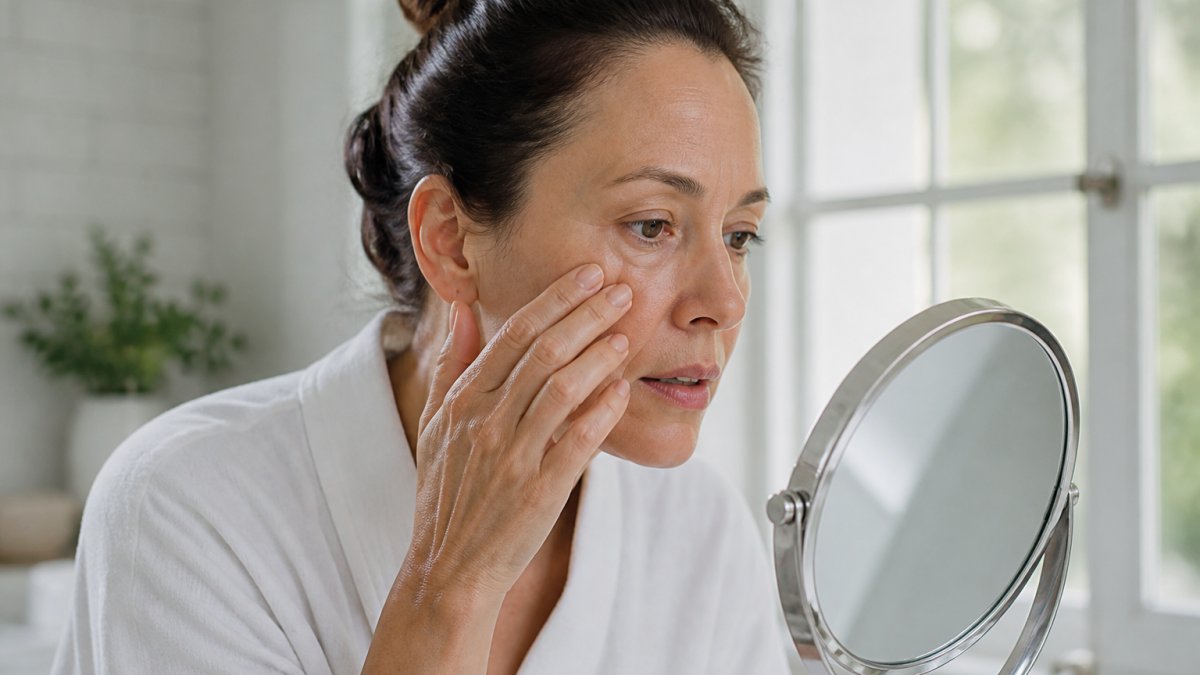
Your skin type falls into one of five categories: normal, dry, oily, combination, or sensitive. Dry skin needs hydration and gentle stimulation; oily skin benefits from deep cleansing and pore refinement; sensitive skin requires the gentlest settings.
Beyond skin type, identify your primary concerns:
- Fine lines and wrinkles
- Loss of firmness or sagging
- Dullness or uneven texture
- Acne, blackheads, or clogged pores
- Puffiness or dark circles
- Uneven tone or dark spots
Write these down. Be specific. "I want to look younger" is too vague. "I have deep nasolabial folds and want to improve skin firmness" gives you direction.
The right facial device for your skin type and concerns becomes part of your routine because you see results.
Understand Facial Device Technologies and Functions
Different facial devices use completely different technologies: cleansing, microcurrent, LED light therapy, radiofrequency, and ultrasound.
Cleansing devices use vibration or suction to remove dirt, oil, and dead skin cells. The Electric Pore Cleaner & Blackhead Remover from Ageless Glow uses targeted suction to deeply cleanse and minimize pore appearance.

Microcurrent devices deliver tiny electrical currents that stimulate facial muscles, a workout for your face, improving firmness, tone, and lift over time.
Radiofrequency devices heat deeper skin layers to stimulate collagen and tighten skin, but require care on sensitive skin.
Ultrasound devices use sound waves to enhance product absorption and stimulate circulation, gentle, and good for hydration and anti-aging.
Finding the Best Skincare Device for Your Skin Type
Understanding how to choose the right facial device for your skin type depends on what your skin needs most.
For dry skin: Choose a device that hydrates and stimulates circulation without stripping moisture.
For oily skin: Cleansing devices and blue LED light therapy target your main concerns.
For combination skin: You need flexibility.
For sensitive skin: Start with the gentlest option: microcurrent on low settings, red LED, or manual tools like the Heart Shaped Gua Sha Board.
For mature skin: Microcurrent and radiofrequency address firmness and wrinkles most directly. The Face Massager Mini Device from Ageless Glow stimulates circulation and supports collagen production for visible lifting and toning.

| Skin Type | Best Device Type | Why It Works | Device Example |
|---|---|---|---|
| Dry | Microcurrent, Red LED | Gentle stimulation + hydration | Face Massager Mini Device |
| Oily | Cleansing, Blue LED | Deep pore cleaning + bacteria control | Electric Pore Cleaner |
| Combination | Microcurrent | Flexible settings for different zones | Face Massager Mini Device |
| Sensitive | Microcurrent on low, Red LED | Gentlest options available | Gua Sha Board |
| Mature | Microcurrent, Radiofrequency | Firmness and collagen stimulation | Face Massager Mini Device |
LED Light Therapy Devices for Face: Benefits and Suitability
LED light therapy devices use specific wavelengths to trigger responses in your skin. Red light (roughly 630-660 nm) penetrates deeper and is studied for collagen stimulation; blue light (roughly 405-420 nm) targets acne-causing bacteria (pubmed.ncbi.nlm.nih.gov).
What the evidence actually supports
The strongest clinical footing is for blue light in mild-to-moderate inflammatory acne and red light in wound healing and some signs of photoaging.
Practical rule: if the manufacturer doesn't publish wavelength, irradiance, and session dose, treat efficacy claims as marketing, not evidence.
Realistic timelines
- Blue light for acne: 2-4 weeks of consistent use for visible reduction in inflammatory lesions; blackheads respond poorly.
- Red light for fine lines and texture: 8-12 weeks of 3-4 sessions per week before measurable change. Immediate "glow" is usually circulation, not collagen.
- Yellow/green light: supportive, not primary.
Suitability by skin type
- Sensitive skin: red light is best tolerated. Start at 5-10 minutes and lower intensity if the device allows.
- Oily and acne-prone: blue light, often combined with red in dual-wavelength panels.
- Mature skin: red and near-infrared (around 830 nm) are most studied for collagen and elastin.
- Melasma or post-inflammatory hyperpigmentation: use caution, visible light and heat can worsen pigmentation; see a dermatologist.
Safety screening before you buy
Light-based devices are not appropriate for everyone. Skip or get clinician clearance if you:
- Take photosensitizing medications (tetracyclines, isotretinoin, some diuretics, St. John's wort) (the FDA).
- Have a history of skin cancer, active cold sores in the treatment area, or a photosensitive condition such as lupus.
- Are pregnant or breastfeeding, evidence is limited and most manufacturers advise against use.
- Use tretinoin or strong acids, barrier disruption increases reactivity to light and heat.
How to verify what you're buying
Look for FDA clearance for the specific intended use (acne treatment is a cleared indication for some devices; "anti-aging" usually is not). A 510(k) clearance number on the label or manual is a concrete check.
Microcurrent Facial Devices: Toning and Lifting Technology
Microcurrent devices deliver tiny electrical currents that mimic your body's natural bioelectric signals, stimulating facial muscles to lift and tone over time.
Microcurrent works best for fine lines, loss of firmness, and sagging skin, and is particularly effective over 45 because it addresses age-related muscle tone loss.
Results build gradually: you may notice immediate plumping from circulation, but lasting lift takes 4-6 weeks of consistent use.
Microcurrent is safe for all skin types, including sensitive skin, and doesn't cause irritation or heat.
The Electric Massage Eye Cream from Ageless Glow combines microcurrent technology with a nourishing formula for the delicate under-eye area, lifting, firming, and reducing fine lines while moisturizing.

How Often to Use a Facial Device for Best Results
Frequency matters more than intensity: consistent, gentle use beats occasional intense sessions. "Regular" varies by device type.
Cleansing devices: Use 2-3 times per week.
Microcurrent devices: Use 3-5 times per week, or daily if designed for it.
LED light therapy: Use 3-4 times per week for 10-15 minutes per session.
Radiofrequency devices: Use 1-2 times per week, they're more intense and need recovery time between sessions.
Manual tools like gua sha: Use daily or 5-6 times per week, gentle and safe for daily use.
Start conservatively: begin at the lowest recommended frequency and increase as your skin adapts.
Safety, Cost, and Making Your Final Decision
Safety screening: a technology-specific checklist
Before buying, run through the contraindications for its technology.
- Microcurrent: Avoid with a pacemaker, implanted defibrillator, or any implanted electronic device; over the thyroid, metal implants, or dental work in the current path; and during pregnancy. Don't use on active acne, broken skin, or over Botox/filler within two weeks, current can affect migration and longevity.
- Radiofrequency: Avoid with a pacemaker or metal implants in the treatment area, active infection, or pregnancy. Use caution with rosacea, melasma, and very thin or sensitive skin, heat can trigger flares and pigmentation.
- LED light: See the photosensitizing medication list above. Avoid over active cold sores, suspicious lesions, or recent chemical peels and lasers.
- Cleansing and suction devices: Avoid on active cystic acne, open lesions, or after recent extractions. Overuse causes broken capillaries and barrier damage, especially on cheeks.
- Ultrasound and gua sha: Generally low risk, but avoid over acute inflammation, recent injectables, or lymph nodes if you have a history of lymphatic issues.
Medication interactions to flag
Photosensitizers (tetracyclines, isotretinoin, some diuretics, St. John's wort) interact with light and heat.
Regulatory status: what the labels actually mean
- FDA cleared (510(k)): The manufacturer demonstrated substantial equivalence to a legally marketed predicate device for a specific intended use, the strongest signal for at-home devices. Look for the clearance number.
- FDA registered: The facility filed paperwork; it says nothing about safety or efficacy.
- CE marking: European conformity, not a U.S. clearance.
- "Clinical-grade" or "medical-grade": Marketing terms with no regulatory definition.
Quick verification: search the FDA's 510(k) database for the manufacturer and device name.
Total cost of ownership
Sticker price is rarely the real cost. Build a two-year estimate:
- Purchase price.
- Replacement heads or applicators (cleansing brushes often need one every 3-6 months).
- Conductive gel or serum for microcurrent and ultrasound ($15-$40 per month for regular users).
- LED panel replacement or bulb degradation, most consumer panels lose output over 1-2 years.
- Time: 10-20 minutes per session, 3-5 sessions per week.
Compare against professional alternatives
A single in-office radiofrequency or microneedling session typically runs several hundred dollars and requires a series.
How to assess progress and when to stop
- Photograph your face in the same lighting, angle, and time of day every two weeks. Memory is unreliable; photos are not.
- Set a checkpoint at 8 weeks. If your primary concern hasn't changed despite recommended-frequency use, stop, more weeks rarely change the outcome.
- Stop immediately for persistent redness, burning, new broken capillaries, increased pigmentation, or acne flares in the treatment area.
- Plateaus are normal after 3-4 months on microcurrent. Maintenance (1-2 times per week) usually holds results.
Final decision questions
- Does this device address my primary concern, and does the evidence support that technology?
- Is it contraindicated for me based on medications, implants, or pregnancy?
- Is it FDA cleared for the intended use, and can I find the clearance number?
- What is the two-year total cost, including consumables?
- Will I realistically use it 3-5 times per week for 8 weeks?
If you can answer all five, you're ready to buy. If not, save the money and book a consultation instead.
Frequently Asked Questions
How do I determine which facial device is right for me?
Start by identifying your primary skin concern: fine lines, firmness, acne, or puffiness. Match that to the device technology, microcurrent for toning, LED light therapy for collagen, or cleansing devices for congestion. Consider your skin type (sensitive, dry, oily, mature) and whether you have contraindications like active inflammation or photosensitivity. Test on a small area first, and choose a device with adjustable intensity settings so you can start gently and build tolerance.
Are at-home facial devices safe for sensitive skin?
Many at-home devices are safe for sensitive skin if you choose the right technology and use it correctly. Gua sha tools and gentle vibration devices like the Electric Massage Eye Cream ($31.99) are generally well-tolerated. LED light therapy at lower intensities is also suitable. Avoid high-intensity radiofrequency or aggressive suction on irritated skin. Always patch-test first, start with the lowest setting, and consult a dermatologist if you have active conditions like rosacea or eczema.
How often should you use an at-home facial device?
Frequency depends on the device type and your skin tolerance. Gentle tools like gua sha can be used daily, while more intense devices like microcurrent or LED therapy are typically recommended 3-5 times per week for 10-20 minutes. Cleansing devices should be used 2-3 times weekly to avoid over-exfoliation. Start conservatively and increase frequency only if your skin responds well without irritation. Consistency matters more than intensity for visible results over 4-8 weeks.
What should I look for when buying a facial device?
Prioritize adjustable intensity settings, clear usage instructions, and evidence of safety testing. Check whether the device targets your specific concern (toning, cleansing, hydration, or anti-wrinkle). Verify the brand's return policy in case the device irritates your skin. Look for devices that integrate with your existing routine, for example, the Face Massager Mini Device ($336.98) pairs well with serums and oils. Consider total cost of ownership, including any required accessories or replacements, and read reviews from users with your skin type.