

Table of Contents
- What Are Facial Devices and How Do They Work on Sensitive Skin?
- Key Benefits of At-Home Facial Tools for Sensitive Skin
- Non-Invasive Skin Tightening at Home: What Sensitive Skin Needs to Know
- How to Use Facial Tools Without Irritation: Safety First
- Best Microcurrent Device for Sensitive Skin: Manual and Electronic Options
- Pairing Facial Devices With Sensitive-Skin Serums and Masks
- Contraindications and When to Avoid Facial Devices
- Conclusion
Last Updated: August 22, 2026
What Are Facial Devices and How Do They Work on Sensitive Skin?
Facial devices for sensitive skin are electronic or manual tools designed to improve skin appearance and texture without aggressive treatment. These at-home devices use gentler technologies like microcurrent stimulation, LED light therapy, and lymphatic drainage to support skin health while minimizing irritation.
The key difference for sensitive skin is that these devices work with your skin's natural barrier rather than against it. A microcurrent device delivers tiny electrical currents that stimulate facial muscles and boost circulation without heat or abrasive contact. LED light therapy uses specific wavelengths to reduce inflammation and support collagen production. Manual tools like gua sha boards rely on gentle pressure to promote lymphatic drainage and reduce puffiness without any electrical components.

Research from the American Academy of Dermatology highlights that gentle, consistent skincare tools can improve skin texture and firmness when paired with appropriate serums and masks. At Ageless Glow, we've curated facial devices specifically chosen for their compatibility with reactive skin types, prioritizing safety, gentle stimulation, and integration with nourishing skincare formulas designed to calm rather than provoke.
Key Benefits of At-Home Facial Tools for Sensitive Skin
At-home facial devices deliver several measurable benefits when chosen correctly for sensitive skin. The primary advantage is improved circulation without the heat, chemicals, or aggressive scrubbing that often triggers sensitivity.
Lymphatic drainage reduces facial puffiness and congestion, making skin look brighter and more defined. A gua sha tool or face massager stimulates lymphatic flow, helping your body remove fluid and toxins from facial tissues.

Collagen stimulation happens gradually with consistent use. Microcurrent devices and massage techniques encourage your skin to produce more collagen, improving elasticity and reducing fine lines without disrupting your skin barrier.
Enhanced serum absorption is immediate. When you use a facial device before applying serums or masks, gentle stimulation increases blood flow to the skin's surface, allowing active ingredients to penetrate more effectively.
Reduced redness and inflammation occurs because many devices, particularly those using LED light therapy or lymphatic drainage, calm rather than provoke the skin. Manual tools are completely non-electrical, eliminating risk of heat sensitivity or overuse damage.
Non-Invasive Skin Tightening at Home: What Sensitive Skin Needs to Know
Non-invasive skin tightening at home works through three primary mechanisms: microcurrent stimulation, mechanical massage, and cellular energy activation.
Microcurrent therapy is the most scientifically supported method for at-home skin tightening. These devices emit low-level electrical currents that mimic the body's natural bioelectric signals, stimulating facial muscles and promoting collagen remodeling. For sensitive skin, this is safer than heat-based treatments because there's no thermal component to trigger inflammation. Most users see subtle firming results within 4-6 weeks of consistent use (the American Academy of Dermatology).
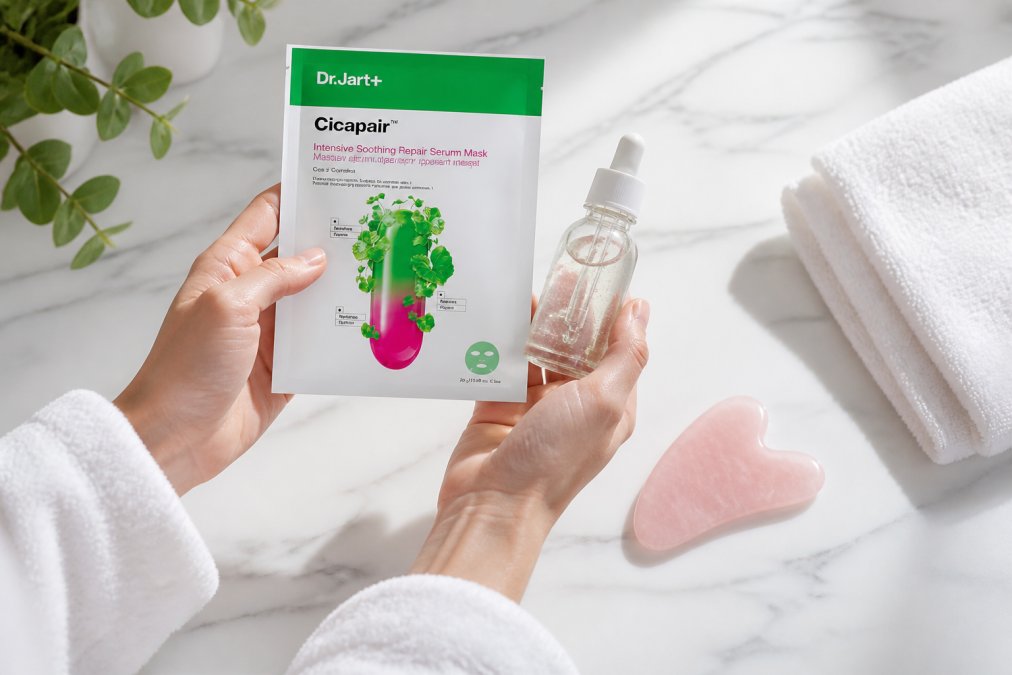
Manual tightening through lymphatic drainage uses mechanical pressure rather than electricity. The Heart Shaped Gua Sha Board from Ageless Glow ($36.99) exemplifies this approach. Light to medium pressure promotes fluid movement and encourages facial muscles to contract slightly. The tool, typically made from rose quartz or jade, has a naturally cooling effect that soothes reactive skin while you work.
What sensitive skin needs to know: Avoid devices that generate heat, use high-frequency vibrations, or require strong electrical currents. Prioritize microcurrent devices with adjustable intensity settings and manual tools made from hypoallergenic materials. Always use a conductive medium (serum or gel) between your skin and any electrical device to prevent direct contact that could irritate.

How to Use Facial Tools Without Irritation: Safety First
Using facial tools safely on sensitive skin requires a deliberate approach. The most common mistake is jumping to daily use or applying too much pressure.
Start with frequency, not intensity. Begin using your facial device just 2-3 times per week for the first two weeks. After two weeks, if you experience no redness or irritation, increase to 4-5 times per week.
Use light pressure always. For manual tools like gua sha, apply just enough pressure that you feel the tool moving across your skin. For electronic devices, start on the lowest intensity setting.
Pair devices with appropriate serums, not just water. Using a device on dry skin creates friction that irritates sensitive skin. Always apply a hydrating, soothing serum first. The Hyaluronic Acid & Niacinamide Hydrating Serum from Ageless Glow ($95.99) is specifically formulated to work with facial tools, providing slip for smooth gliding and delivering calming ingredients.
Avoid sensitive areas initially. The skin around your eyes, lips, and any active breakouts is more reactive. Wait until you're comfortable with the tool on your cheeks and forehead before introducing it to delicate zones.
Never use a device during a flare. If your skin is currently inflamed, red, or actively breaking out, skip facial tools until the acute irritation subsides.
Clean your device after every use. Wash manual tools like gua sha boards with warm soapy water and dry completely. For electronic devices, follow the manufacturer's instructions.
Watch for warning signs. Slight warmth or mild flushing during use is normal. But if you experience stinging, increased redness that doesn't fade within an hour, or new breakouts, stop using the device and consult a dermatologist if irritation persists.
Best Microcurrent Device for Sensitive Skin: Manual and Electronic Options
Heart Shaped Gua Sha Board: Lymphatic Drainage Without Electronics
The Heart Shaped Gua Sha Board from Ageless Glow ($36.99) is the ideal entry point for sensitive skin because it eliminates electrical variables entirely. Made from rose quartz, this manual tool promotes lymphatic drainage and facial contouring through mechanical pressure alone.
Rose quartz is naturally cooling, providing immediate soothing benefits, particularly valuable if your skin is inflamed or reactive. The heart shape is ergonomic for facial work: the curved edge glides smoothly along the jawline, cheekbones, and forehead, while the pointed end targets smaller areas like the inner eye and nose bridge. Most users notice reduced puffiness within the first week and improved skin definition within 3-4 weeks of consistent use.
Best for sensitive skin: There's no electricity, no heat, no chemicals, just a smooth stone and your own control. Wash with warm soapy water after each use and dry completely.
Face Massager Mini Device: Microcurrent Stimulation for Firming
The Face Massager Mini Device from Ageless Glow ($336.98) delivers microcurrent stimulation in a compact, travel-friendly form. This electronic option for sensitive skin provides measurable firming results without bulk or complexity.
Microcurrent technology emits low-level electrical currents that stimulate facial muscles and increase cellular energy production. You apply conductive gel or serum, turn on the device, and glide it across your face in upward motions. The device has adjustable intensity settings, so you can start at the lowest level. Expect subtle improvements in skin firmness and definition within 4-6 weeks. The device is most effective when used 4-5 times per week.
| Device | Type | Price | Best For | Key Feature |
|---|---|---|---|---|
| Heart Shaped Gua Sha Board | Manual | $36.99 | Beginners, lymphatic drainage | No electricity, cooling rose quartz |
| Face Massager Mini Device | Microcurrent | $336.98 | Firming, muscle toning | Adjustable intensity, cordless |
Pairing Facial Devices With Sensitive-Skin Serums and Masks
The most overlooked aspect of using facial devices is product pairing. A device is only as effective as the serums and masks you use alongside it. For sensitive skin, this pairing is critical, incompatible products can trigger irritation that the device itself never would.
Hydrating serums are non-negotiable. Before using any facial device, apply a serum that provides slip and delivers calming ingredients. The Hyaluronic Acid & Niacinamide Hydrating Serum ($95.99) is formulated specifically for this purpose. Hyaluronic acid draws moisture into the skin while niacinamide balances oil production and reduces redness.
Centella Asiatica serums are ideal post-device. After using your facial tool, apply a serum containing Centella Asiatica (also called Cica). This plant extract has been used in traditional medicine for centuries and is backed by modern research for its anti-inflammatory properties. The Centella Cica Soothing Sheet Mask from Ageless Glow ($46.99) combines Centella Asiatica with a hydrating sheet format.

Niacinamide creams provide barrier support. The [haruharu wonder] Centella 5% Niacinamide Radiance Gel Cream ($38.99) is lightweight enough for sensitive skin but delivers meaningful barrier support. Niacinamide strengthens the skin's protective barrier, essential after device use.
Avoid these pairings: Never use serums containing strong actives (retinol, vitamin C, AHA/BHA) on the same day you use a facial device. Also avoid pairing devices with heavily fragranced products or those containing essential oils. Stick to fragrance-free or lightly scented formulas designed for reactive skin.
The ideal routine: Apply hydrating serum → use facial device (2-3 minutes) → apply Centella mask or cream → follow with niacinamide gel cream.
Contraindications and When to Avoid Facial Devices
Not everyone should use facial devices, and certain skin conditions or medical situations require caution or avoidance.
Active infections or severe acne: If you have active bacterial acne, rosacea flare-ups, or any skin infection, avoid facial devices until the acute phase resolves. Device stimulation can push bacteria deeper into pores and worsen the condition.
Recent professional treatments: If you've had a professional facial, chemical peel, microdermabrasion, or laser treatment within the past week, skip at-home devices. Wait at least 7-10 days before resuming device use.
Certain medications: If you take medications that increase photosensitivity or medications that thin the skin (like topical retinoids), consult your dermatologist before using LED light devices or microcurrent tools.
Pregnancy: While most facial devices are safe during pregnancy, some women experience heightened skin sensitivity due to hormonal changes. If you're pregnant and have never used a facial device before, consult your OB-GYN first.
Pacemakers or metal implants: Microcurrent devices emit electrical currents that could theoretically interfere with pacemakers or other electrical implants. If you have a pacemaker, consult your cardiologist before using microcurrent tools. Manual tools like gua sha boards are safe regardless of medical devices.
Severe rosacea or extremely reactive skin: Some people with severe rosacea find that any facial stimulation triggers flushing or systemic symptoms. Start with the gentlest possible approach, light pressure on a gua sha tool just once per week, and monitor closely.
Skin barrier damage or severe dermatitis: If your skin is currently compromised, peeling, raw, extremely dry, or covered in dermatitis, pause device use until your barrier has healed.
According to the American Dermatological Association's guidance on at-home devices, the safest approach for anyone with sensitive skin or medical conditions is to consult a dermatologist before introducing a new device.
Conclusion
Facial devices for sensitive skin are not one-size-fits-all solutions, but they're far more accessible than most people realize. The key is matching the device type to your specific skin needs and introducing it gradually with appropriate supporting products.
Manual tools like the Heart Shaped Gua Sha Board offer entry-level benefits with zero risk of overuse. Electronic devices like the Face Massager Mini Device deliver measurable firming results when paired with hydrating serums and calming masks. The difference between success and irritation often comes down to product pairing and frequency.
Facial devices work best when integrated into a complete skincare routine designed for sensitive skin. At Ageless Glow, we've paired our facial tools with serums like the Hyaluronic Acid & Niacinamide Hydrating Serum and masks like the Centella Cica Soothing Sheet Mask specifically to support barrier health while you stimulate and tone. Start with a manual gua sha tool, progress to microcurrent if your skin tolerates it well, and always pair devices with products formulated for calm, reactive skin. Get started with Ageless Glow's curated facial device collection and experience visible firmness and radiance without the irritation.
Frequently Asked Questions
Are facial devices safe to use on sensitive skin?
Yes, when chosen and used correctly. Facial devices for sensitive skin work best when they avoid high heat, extreme vibration, or harsh friction. Manual tools like gua sha boards are gentler entry points. Electronic devices should have adjustable intensity settings and hypoallergenic materials. Always patch-test first, use conductive gel or serum to reduce friction, and start with the lowest setting. Avoid use if you have active inflammation, open wounds, or severe dermatitis.
How often should you use facial tools on sensitive skin?
Start slowly: 2-3 times per week for the first two weeks to let your skin adapt. Once your skin shows no irritation, you can increase to 3-4 times weekly. Never use daily initially. Manual tools like gua sha are gentler and can be used more frequently than electronic devices. Always allow at least one rest day between sessions. If redness or irritation develops, reduce frequency immediately and consult a dermatologist.
What's the difference between microcurrent and LED light therapy for sensitive skin?
Microcurrent devices (like the Face Massager Mini Device at $336.98) use gentle electrical stimulation to tone facial muscles and boost circulation for firming effects. LED light therapy uses specific light wavelengths to reduce inflammation and support collagen production. For sensitive skin, microcurrent is often better tolerated because it avoids heat exposure. LED can cause irritation if your skin barrier is compromised. Both work best when paired with hydrating serums like the Hyaluronic Acid & Niacinamide Hydrating Serum ($95.99).
Can I use facial devices if I have rosacea or eczema?
Proceed with extreme caution. Active rosacea or eczema flare-ups are contraindications, avoid all devices until inflammation subsides. During remission, manual tools like gua sha may be safer than electronic options. Always use a calming serum like the Centella Cica Soothing Sheet Mask ($46.99) beforehand. Avoid any device that generates heat. Consult your dermatologist first, as individual skin conditions vary widely. Some people with rosacea tolerate gentle manual massage; others cannot.
How long before I see results from using facial devices on sensitive skin?
Results typically appear in 4-6 weeks with consistent use 2-3 times weekly. Puffiness and circulation improvements show first (1-2 weeks). Skin texture refinement, improved elasticity, and fine-line softening take longer. Combining devices with hydrating serums accelerates results, the Hyaluronic Acid & Niacinamide Hydrating Serum boosts absorption and plumps the skin faster. Patience is essential; rushing frequency or intensity will trigger irritation and delay visible benefits.
This article was written using GrandRanker