

Table of Contents
- What Facial Devices Do and How They Work
- Can You Use Facial Devices Every Day?
- Microcurrent Device Frequency and Loading Phases
- Best Practices for At-Home Skincare Tools
- Signs of Skin Irritation From Beauty Devices
- Integrating Facial Devices Into Your Skincare Routine
- Contraindications and Safety Warnings
- Conclusion
- Frequently Asked Questions
Last Updated: September 2, 2026
What Facial Devices Do and How They Work
Facial devices use electrical stimulation to activate and tone facial muscles, promoting skin tightening and rejuvenation. At Ageless Glow, we understand that choosing the right beauty tool means understanding what happens beneath the surface. These devices work by delivering gentle electrical signals that mimic the body's natural muscle contractions, encouraging cellular activity and promoting collagen production over time.
Most at-home facial devices fall into a few categories. Microcurrent devices use low-level electrical currents to stimulate facial muscles, creating a lifting and sculpting effect. Radiofrequency tools generate heat that penetrates the dermal layer, promoting skin elasticity and reducing fine lines (peer-reviewed research). Vibration-based devices like gua sha tools and face massagers enhance lymphatic drainage and reduce puffiness. Each technology works differently, but they share a common goal: non-invasive skin rejuvenation without downtime.

The key to understanding facial devices is recognizing that they're not magic. They require consistency, proper technique, and realistic expectations. A single use won't transform your skin. But regular use following the right protocol can deliver visible results for dark spots, fine lines, and overall skin firmness, particularly when combined with a solid skincare routine.
Can You Use Facial Devices Every Day?
The short answer is: it depends on the device type and your skin's tolerance level. Most facial devices can be used daily, but not all should be. The distinction matters because overuse causes inflammation, compromises your skin barrier, and actually reverses the benefits you're trying to achieve.
Microcurrent devices are generally safe for daily use once you've completed the initial loading phase. Gua sha tools and mechanical massagers can typically be used daily without issue. However, more aggressive tools like radiofrequency or LED devices often require rest days between sessions to allow your skin to recover.
The biggest mistake people make is assuming that more frequent use equals faster results. It doesn't. Your skin needs time to respond to electrical stimulation. Using a microcurrent device twice daily won't double your results, it will likely irritate your skin barrier and cause sensitivity. Think of it like strength training: muscles grow during rest, not during the workout itself. Your skin works the same way.


The safest approach is to follow the manufacturer's guidelines and listen to your skin. If you notice redness, sensitivity, or irritation after using a device daily, scale back to 3-4 times per week. Your skin barrier is telling you something, respect that signal.
Microcurrent Device Frequency and Loading Phases
Understanding the loading phase is critical for getting results from a microcurrent device. The loading phase typically lasts 60 days and requires consistent daily or near-daily use (peer-reviewed research). This is when your facial muscles are being "trained" to respond to electrical stimulation, similar to how muscles adapt to exercise.
During the loading phase, most people use their microcurrent device 5-6 days per week for about 10-15 minutes per session. This frequency allows the electrical signals to build up in your facial muscles, creating the lifting and toning effect you're after. Consistency during this phase directly correlates with visible results.
After the 60-day loading phase, you transition to the maintenance phase. This is where daily use becomes optional. Many people find that using their device 2-3 times per week maintains the results they achieved during loading. Some continue daily use without issue, while others prefer to use it every other day. The maintenance phase is where you discover what works best for your skin and lifestyle.
A common mistake is stopping use entirely after the loading phase ends. Your facial muscles, like all muscles, need ongoing stimulation to maintain tone and firmness. Even in maintenance mode, consistency matters more than frequency. Three sessions per week, every week, beats seven sessions one week and none the next.
Best Practices for At-Home Skincare Tools
Using facial devices correctly is just as important as using them regularly. Poor technique undermines results and increases the risk of irritation.
Always start with clean, dry skin or skin prepped with a conductive gel. If you're using a microcurrent device, conductive gel is essential, it allows the electrical current to flow properly and protects your skin barrier. Without it, you're not getting the full benefit of the treatment. Apply the gel generously to the area you're treating, then use gentle upward strokes with the device probes.
Pressure matters. Many people press too hard, thinking more force equals better results. It doesn't. Light to medium pressure is sufficient. The device is doing the work through electrical stimulation, not mechanical pressure. Pressing hard can cause bruising, irritation, and actually reduce the device's effectiveness.
Timing and duration are equally important. Most at-home devices are designed for 10-15 minute sessions. Using a device for 30 minutes doesn't amplify results, it stresses your skin barrier. Stick to the recommended duration. If you want to extend your routine, add another skincare step rather than extending device time.
Clean your device after every use. Many facial devices have metal probes or conductive surfaces that can harbor bacteria if not properly maintained. A simple wipe with a damp cloth followed by a dry cloth prevents buildup and ensures hygiene. For devices with replaceable tips or attachments, follow the manufacturer's cleaning instructions carefully.
Signs of Skin Irritation From Beauty Devices
Recognizing the difference between normal skin response and actual irritation is critical. Some mild redness immediately after use is normal, your skin has been stimulated, and blood flow to the area increases naturally. This typically subsides within 30 minutes to an hour.
True irritation looks different. Persistent redness that doesn't fade, burning sensations that continue after use, or a tight, uncomfortable feeling in your skin are warning signs. Swelling or hives indicate an allergic reaction or excessive stimulation. If you experience any of these, stop using the device and allow your skin to recover for several days.
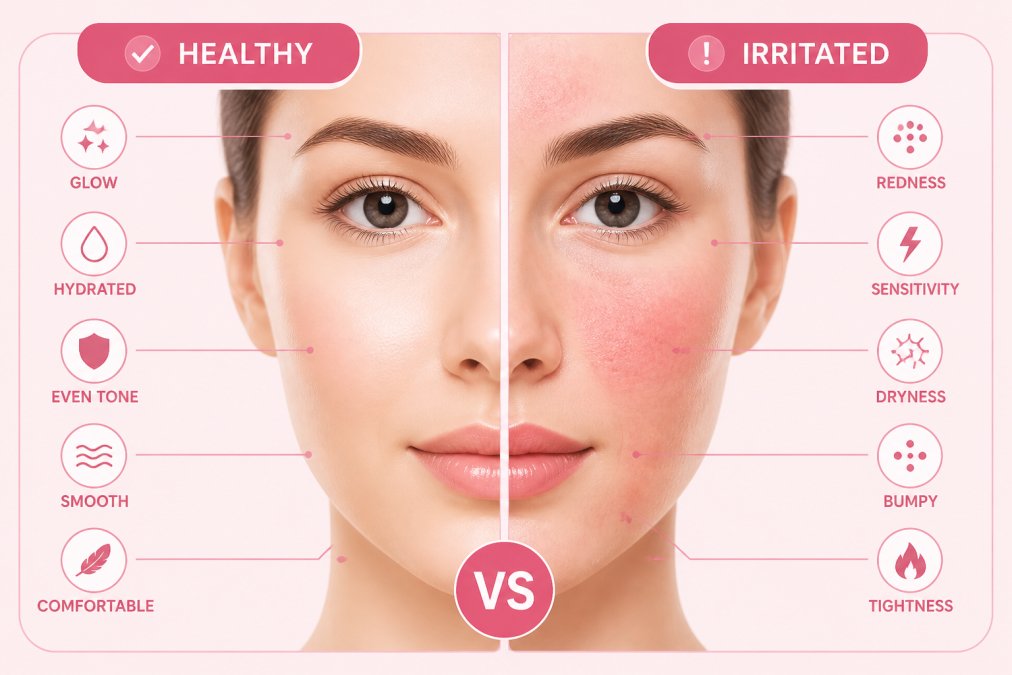
Overuse of facial devices can compromise your skin barrier, the protective layer that keeps moisture in and irritants out. A compromised barrier feels tight, looks dull, and becomes more sensitive to products you normally tolerate. If this happens, pause device use entirely and focus on barrier repair with gentle, hydrating products.
Some irritation comes from using the wrong device for your skin type. Sensitive skin may not tolerate aggressive radiofrequency tools but might do well with gentle microcurrent or gua sha. Acne-prone skin needs particular care, the stimulation can sometimes trigger breakouts if bacteria are present. Always cleanse thoroughly before use.
Conductive gel quality matters too. Low-quality gels can contain irritating ingredients or leave residue that causes sensitivity. Using the wrong gel, or worse, substituting it with water or other liquids, can cause irritation and reduce device effectiveness. Invest in a good conductive gel designed for facial use.
Integrating Facial Devices Into Your Skincare Routine
The order in which you use your facial device within your routine affects both results and skin health. Most experts recommend using devices on clean, prepped skin before applying serums or treatments. This allows the electrical stimulation to work on your skin directly, then you seal in benefits with your follow-up products.
A typical routine looks like this: cleanse, apply conductive gel, use your facial device for the recommended duration, then apply your serums, eye cream, and moisturizer. This sequence ensures that the device isn't competing with other products and that your skin barrier is properly supported afterward.
Timing between device use and other actives matters. If you're using vitamin C serums, retinol, or other potent ingredients, avoid using aggressive devices on the same day. Space them out, device use one day, active ingredients the next. This prevents over-stimulation and allows your skin barrier to recover between treatments.
Many people wonder whether they can use facial devices with their existing skincare tools. The answer is usually yes, but with caution. Using a microcurrent device and a gua sha tool on the same day is fine if you space them apart. However, using two electrical devices in one session is unnecessary and risks irritation. Choose one per session.
Your skincare routine should support your device use, not fight against it. Hydrating serums, nourishing moisturizers, and barrier-supporting ingredients enhance device results. Harsh exfoliants or irritating actives can conflict with device use, especially during the loading phase when your skin is adapting to stimulation.
Contraindications and Safety Warnings
Certain medical conditions and situations make facial devices unsafe or inadvisable. If you have a pacemaker or other electrical implants, microcurrent devices are contraindicated, the electrical stimulation can interfere with the device's function (the FDA). Always consult your doctor before using any electrical device if you have a pacemaker.
Pregnancy is another consideration. While most facial devices are considered safe during pregnancy, many practitioners recommend avoiding them as a precaution, particularly during the first trimester. The research on this is limited, so if you're pregnant, check with your healthcare provider before continuing device use.
Active skin infections, open wounds, or severe acne should be treated before using facial devices. The stimulation can worsen infections or spread bacteria. Similarly, if you've recently had a professional facial, chemical peel, or laser treatment, wait at least one week before using any at-home devices. Your skin needs time to recover from professional treatments.
Certain skin conditions like rosacea or severe eczema require extra caution. These conditions involve inflammation and a compromised skin barrier, both of which can be worsened by device stimulation. If you have these conditions, consult a dermatologist before using facial devices, and if you do proceed, start with the gentlest option available and use it sparingly.
Metal implants in your face, such as dental implants or surgical plates, are generally safe with microcurrent devices, but you should avoid direct contact with the device probes over the implant site. Work around these areas rather than directly over them.
Medications that increase skin sensitivity, such as certain acne treatments or photosensitizing medications, may require you to avoid or modify device use. If you're on prescription skincare or medications that affect skin, ask your dermatologist whether facial devices are appropriate for you.
Conclusion
Using facial devices daily is possible, but success depends on choosing the right device for your skin type, following the loading and maintenance phases, and recognizing when your skin needs a break. The most common mistake is assuming that more frequent use delivers faster results, it doesn't. Consistency, proper technique, and respect for your skin barrier matter far more than frequency.
At Ageless Glow, we've designed our facial device collection to support your skin's unique needs. Our Face Massager Mini Device delivers gentle stimulation that reduces puffiness and enhances skin elasticity, making it ideal for daily use once you've completed the loading phase. Paired with our nutrient-rich skincare formulas, you'll see visible results for fine lines and skin firmness without the downtime of professional treatments. Start your routine today and discover the difference that proper device use and quality skincare can make.
Frequently Asked Questions
How often should I use a microcurrent facial device?
Most microcurrent devices follow a two-phase protocol. During the loading phase (typically 4-6 weeks), use the device 5 days per week for 5-10 minutes per session. Once you reach the maintenance phase, reduce frequency to 2-3 times per week. This schedule allows your facial muscles to respond to electrical stimulation while giving your skin barrier time to recover between sessions. Always follow your device's specific manufacturer guidelines, as frequency varies by model.
What are the signs of overusing facial beauty devices?
Watch for redness, irritation, sensitivity to touch, increased dryness, or a burning sensation that persists after use. Some users experience temporary puffiness or inflammation if they exceed recommended frequency. If your skin barrier feels compromised, shown by increased sensitivity to your regular skincare products, reduce device use immediately. Overuse can trigger inflammation and actually slow collagen production rather than accelerate it. If irritation doesn't improve within 48 hours of stopping, consult a dermatologist.
Can I use facial devices if I have sensitive skin?
Yes, but start conservatively. Begin with the lowest intensity setting and use the device just 2-3 times per week during the first 2-3 weeks to assess tolerance. Apply a conductive gel designed for sensitive skin to reduce friction and irritation. Avoid using devices on active breakouts, open wounds, or areas with severe inflammation. If you're using active ingredients like retinol or vitamin C in your skincare routine, space device use at least 24-48 hours apart to prevent compounded irritation.
How long does it take to see results from daily or regular facial device use?
Most users notice initial improvements in skin texture and hydration within 2-4 weeks of consistent use during the loading phase. Visible changes in skin firmness, fine lines, and facial contouring typically appear after 6-8 weeks of adherence to the recommended protocol. Results depend on device type, skin condition, age, and overall skincare routine. Consistency matters more than frequency, using the device as directed 5 days per week will outperform sporadic daily use without proper technique.
This article was written using GrandRanker