

Table of Contents
- Understanding Post-Menopausal Skin Changes
- Why Hormonal Fluctuations Trigger Vaginal Atrophy and Intimate Tissue Hydration Loss
- Key Ingredients for Restoring Intimate Wellness: Hyaluronic Acid and Glycerin
- Best Anti-Aging Serum for Menopause: Hydration-First Solutions
- Hormone-Free Vaginal Moisturizers and Non-Hormonal Treatments
- Skincare Routine for 60+ Skin: Application Frequency and Technique
- When to Consult a Healthcare Provider
- Conclusion
- Frequently Asked Questions
Last Updated: September 19, 2026
Understanding Post-Menopausal Skin Changes
Post menopausal dryness stems from profound shifts driven by hormonal changes. As estrogen levels decline after menopause, your skin loses moisture retention capacity, collagen production slows, and the protective barrier weakens. This guide from Ageless Glow breaks down the science behind these changes and shows you how to address them with targeted skincare solutions.
The most visible consequence is increased dryness: tight, rough skin, pronounced fine lines, and texture changes. These affect comfort and confidence during a life stage when you deserve to feel your best.
Understanding the root cause, hormonal fluctuation and its impact on skin physiology, helps you choose products that restore barrier function and tissue elasticity, not just surface hydration.
Why Hormonal Fluctuations Trigger Vaginal Atrophy and Intimate Tissue Hydration Loss
When estrogen drops during menopause, the epidermis thins, hyaluronic acid production decreases, and collagen breaks down faster than your body can replace it.

Estrogen receptors throughout skin and mucosal tissues control structural support and hydration. When estrogen drops, these tissues lose both, explaining why post-menopausal dryness affects multiple areas.
Key Ingredients for Restoring Intimate Wellness: Hyaluronic Acid and Glycerin
Two ingredients stand out for addressing post-menopausal dryness: hyaluronic acid and glycerin. Both work through different mechanisms to restore hydration.
Hyaluronic acid is a humectant that binds up to 1,000 times its weight in water, creating plumping hydration that softens fine lines and restores firmness.
Glycerin draws moisture into skin and locks it in with a protective film, strengthening the barrier, critical as post-menopausal skin loses integrity. At 5-10% concentrations, it soothes irritation without stickiness.
Ingredients to Avoid: Sensitivity and Allergen Considerations
-
Parabens: Known irritants for atrophic tissue causing inflammation and burning. Paraben-free formulations are recommended by dermatologists.
-
Synthetic fragrances and essential oils: Leading cause of contact dermatitis. Even "natural" oils irritate mucosal tissue. Use unscented products for intimate areas.
-
Propylene glycol: Causes irritation and burning in sensitive tissue. Use butylene glycol or vegetable glycerin instead.
-
Alcohol (ethanol): Strips barrier function. Avoid if listed in first five ingredients; fatty alcohols (cetyl, stearyl) are safe.
-
Sulfates: Too harsh and disrupt microbiome. Use sulfate-free cleansers.
-
Dyes and colorants: Increase irritation risk with no therapeutic benefit. Choose clear or opaque formulations.
Reading Labels for Safety
Scan ingredient lists for red flags. Products labeled "hypoallergenic," "dermatologist-tested," or "for sensitive skin" are more likely to exclude irritants.
Best Anti-Aging Serum for Menopause: Hydration-First Solutions
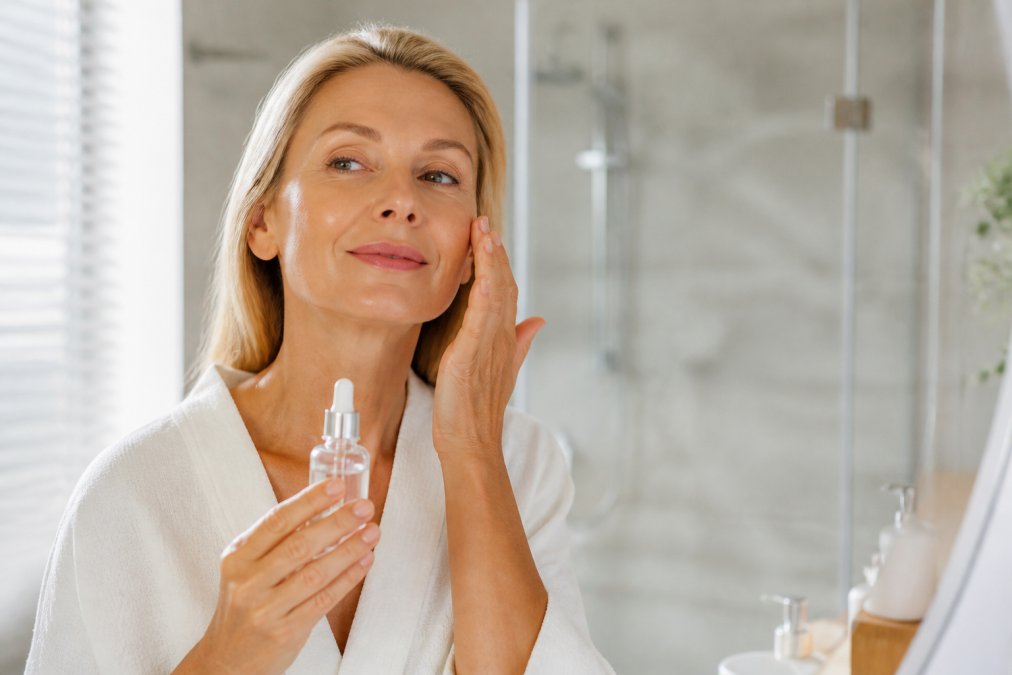
The best anti-aging serum for menopause prioritizes hydration first, rebuilding the foundation hormonal decline has compromised.
The Hyaluronic Acid & Niacinamide Hydrating Serum from Ageless Glow combines hyaluronic acid with niacinamide (which strengthens barrier function and reduces inflammation) and cucumber extract for soothing. At $95.99, it delivers visible results for fine lines and firmness with a lightweight, fast-absorbing texture.
The Rice Raw Pulp Face Serum ($41.99) combines glycerin and hyaluronic acid with rice powder for oil control and anti-inflammatory benefits, addressing dryness with occasional sensitivity.

Apply hydrating serums immediately after cleansing, while skin is still slightly damp. This technique maximizes water absorption and locks in hydration. Use morning and evening for optimal results.
Hormone-Free Vaginal Moisturizers and Non-Hormonal Treatments
The All-Day & Night 2-Pack Cream for Face ($87.99) uses Centella Asiatica and niacinamide for barrier support and anti-aging. Water-based lubricants provide immediate comfort during intercourse; moisturizers address chronic dryness between applications.

Skincare Routine for 60+ Skin: Application Frequency and Technique
A post-menopausal skincare routine requires consistency and proper technique to support barrier function and hydration. However, topical products alone are insufficient; systemic factors, hydration, nutrition, and sleep, directly influence skin resilience.
Topical Application Routine
Morning routine: Gentle cleanser → hydrating serum (on damp skin) → lightweight moisturizer → SPF 30+ sunscreen.
Evening routine: Gentle cleanser → hydrating serum → richer night cream for intensive repair.
Use hydrating serums twice daily. Night creams can be applied nightly or every other night. Most women see visible improvements within 4-6 weeks of consistent use.
Hyaluronic Acid & Niacinamide Hydrating →
Apply serum to damp skin with gentle upward strokes. Wait 30 seconds to absorb, then apply moisturizer. Use your ring finger near the eyes to minimize pressure.
Systemic Factors: The Holistic Approach to Post-Menopausal Skin and Vaginal Health
Topical skincare addresses surface symptoms, but post menopausal dryness originates from systemic hormonal decline. Research consistently shows that lifestyle factors significantly amplify or mitigate the severity of post-menopausal skin and vaginal atrophy symptoms. Integrating these practices into your daily routine enhances the efficacy of topical products and supports long-term tissue health.
Hydration and Systemic Moisture
Post-menopausal women benefit from 10-12 glasses (80-96 ounces) daily, distributed throughout the day. Monitor urine color: pale yellow indicates adequate hydration, dark yellow indicates dehydration.
Nutrition and Collagen Support
Dietary collagen (bone broth, fatty fish, collagen peptides) provides amino acids for collagen synthesis. Vitamin C (75-90 mg daily from citrus, berries, peppers, broccoli) supports collagen cross-linking. Vitamin E (nuts, seeds, avocados) protects collagen from oxidative damage.
Omega-3 fatty acids (fatty fish, flaxseeds, walnuts) reduce systemic inflammation and improve skin barrier function and genitourinary syndrome symptoms.
Sleep and Tissue Repair
Sleep increases blood flow to skin and ramps up collagen synthesis. Prioritize 7-9 hours with consistent timing to strengthen circadian rhythm and skin barrier function. If hot flashes disrupt sleep, discuss management with your healthcare provider.
Pelvic Floor Health and Tissue Perfusion
Pelvic floor exercises improve blood perfusion to intimate tissues. Contract pelvic floor muscles for 3 seconds, relax 3 seconds, repeat 10 times, three times daily. Consistent practice over 4-6 weeks reduces vaginal atrophy and dryness symptoms.
Stress Management and Cortisol Regulation
Chronic stress elevates cortisol, which suppresses immune function, impairs barrier repair, and exacerbates inflammation. Post-menopausal women managing multiple life stressors often experience worsening skin and vaginal symptoms. Stress-reduction practices, meditation, yoga, deep breathing, regular exercise, lower cortisol and support skin and tissue health.
Aerobic exercise (walking, swimming, cycling) for 150 minutes weekly improves circulation, supports collagen production, and enhances overall skin and vaginal tissue health. Exercise also improves sleep quality and mood, creating a positive feedback loop for post-menopausal wellness.
Integration Strategy
Optimal post-menopausal skin health requires both topical and systemic support. Begin with the topical routine outlined above, then layer in systemic practices: increase water intake, prioritize collagen-supporting foods, ensure adequate sleep, and manage stress. Most women notice cumulative improvements in skin texture and firmness within 8-12 weeks of consistent integrated practice.
When to Consult a Healthcare Provider
While many post-menopausal skin concerns respond well to topical skincare, certain situations warrant professional evaluation. Knowing when to seek guidance ensures you address underlying conditions and avoid complications.
Consult a healthcare provider if:
- Dryness is severe, persistent, or worsening despite consistent product use
- Skin irritation develops from new products
- Over-the-counter products aren't providing relief after 6-8 weeks
A healthcare provider can assess whether your post-menopausal dryness requires clinical intervention beyond topical products. They can recommend prescription-strength treatments if needed, evaluate for underlying conditions, and ensure your skincare routine supports your specific skin type and concerns.
Conclusion
Post-menopausal dryness is a common, treatable concern, not an inevitable part of aging. Hydration-first skincare addresses the root cause: hormonal fluctuation and its impact on moisture retention, barrier function, and tissue elasticity.
At Ageless Glow, we've curated products specifically designed for post-menopausal skin. Our Hyaluronic Acid & Niacinamide Hydrating Serum and All-Day & Night 2-Pack Cream combine clinically-supported ingredients with proven efficacy for mature skin. Both deliver visible results for fine lines, firmness, and overall radiance, the outcomes post-menopausal women deserve.
Addressing post-menopausal dryness requires a consistent, targeted approach. The right skincare routine, built on hydrating serums, barrier-supporting moisturizers, and proper application technique, transforms your skin's health and appearance.
| Product | Price | Best For | Key Ingredients |
|---|---|---|---|
| Hyaluronic Acid & Niacinamide Hydrating Serum | $95.99 | Intensive hydration and pore refinement | Hyaluronic acid, niacinamide, cucumber extract |
| All-Day & Night 2-Pack Cream | $87.99 | Day and night barrier support | Centella Asiatica, niacinamide, vitamin E |
| Rice Raw Pulp Face Serum | $41.99 | Oil control with hydration | Glycerin, hyaluronic acid, rice powder |
| Retinol Face Cream | $41.99 | Anti-aging with brightening | Retinol, hydrating botanicals |
| Firming Facial Serum (Budget) | $14.99 | Affordable firming and hydration | Salicylic acid, hyaluronic acid, vitamin C |
Frequently Asked Questions
What ingredients should I look for in post-menopausal skincare?
Prioritize hyaluronic acid, which holds up to 1000 times its weight in water. Glycerin acts as a humectant, drawing moisture into the skin. Niacinamide supports barrier function. Centella asiatica soothes irritation. Focus on pH-balanced, non-hormonal formulas that strengthen the skin barrier.
How does menopause affect skin hydration levels?
Declining estrogen reduces collagen production and thins the epidermis, compromising the barrier function. This leads to reduced ability to retain moisture. Post-menopausal skin loses elasticity and becomes more prone to irritation. Topical moisturizers with hyaluronic acid and glycerin restore hydration, offsetting these hormonal changes.
What is the best skin care for post-menopausal skin?
A layered routine combining hydrating serums and creams addresses post-menopausal dryness effectively. Start with a hyaluronic acid serum like the Hyaluronic Acid & Niacinamide Hydrating Serum ($95.99) to plump skin, then seal with a rich moisturizer such as the All-Day & Night 2-Pack Cream ($87.99) containing Centella Asiatica. Apply twice daily for long-lasting hydration and symptom management.
Can I use non-hormonal treatments instead of estrogen cream?
Yes. Non-hormonal topical moisturizers deliver efficacy. Estrogen-free creams containing hyaluronic acid and glycerin reduce irritation. These hormone-free moisturizers offer preventative care.