

Table of Contents
- What to Look for in Nutrient-Rich Moisturizers
- How to Read Skincare Ingredient Labels
- Best Natural Anti-Aging Cream for Women
- Ingredients to Avoid: Synthetic Chemicals and Harmful Additives
- Non-Toxic Skincare Routine for Beginners
- Benefits of Botanical Oils and Plant-Based Butters
- Cost-Per-Ounce Analysis and Environmental Impact
- Frequently Asked Questions
Last Updated: September 1, 2026
What to Look for in Nutrient-Rich Moisturizers
The best natural moisturizers combine two essential ingredient types: emollients that soften skin and humectants that draw moisture in. Look for products that layer these ingredients thoughtfully rather than relying on a single star component.
Emollients and humectants that work without synthetics
Emollients are oils and butters that seal moisture into your skin by forming a protective barrier. Plant-based options like jojoba oil, shea butter, and cold-pressed coconut oil deliver this function without synthetic film-formers like silicones or dimethicone. Jojoba oil mirrors your skin's natural sebum composition, making it particularly effective for sensitive skin types.
Humectants work differently. These water-loving ingredients draw moisture from the air into your skin's outer layers. Glycerin is the most effective humectant available, while hyaluronic acid can hold up to 1,000 times its weight in water. Aloe vera functions as both a humectant and a soothing agent, making it valuable for reactive or inflamed skin.

The most effective moisturizers pair these two mechanisms. A formula with shea butter (occlusive) plus glycerin (humectant) creates lasting hydration.
Plant-based antioxidants and phytonutrients
Botanical antioxidants protect your skin from environmental stressors and support natural repair processes. Rosehip oil contains vitamin A, vitamin C, and lycopene, compounds that address fine lines and uneven tone. Green tea extract delivers polyphenols that reduce inflammation and support skin barrier function. Bakuchiol, derived from the babchi plant, acts as a retinol alternative, stimulating collagen production without the irritation of synthetic retinol.
Look for products that highlight the extraction method. Cold-pressed oils retain more phytonutrients than heat-processed versions. Products labeled "cold-pressed" or "first-pressed" preserve the delicate plant compounds that deliver visible results.
How to Read Skincare Ingredient Labels
Reading ingredient labels correctly separates genuinely clean products from greenwashing. Understanding what you're actually applying to your skin is the first step toward making informed choices about nutrient-rich moisturizers.
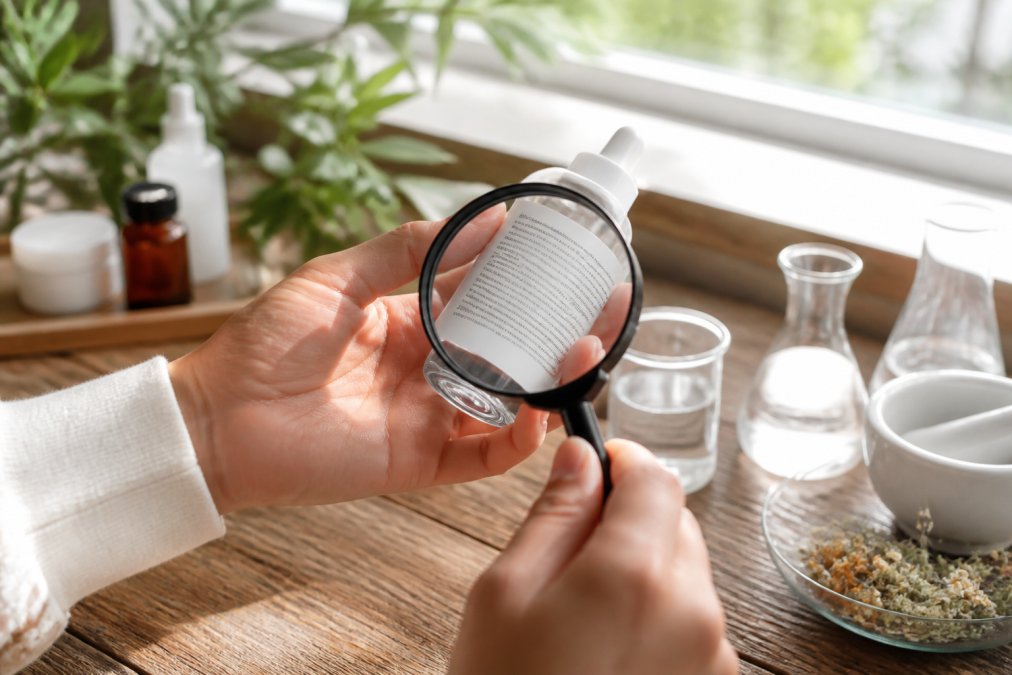
Ingredients are listed by concentration, highest to lowest. The first five ingredients make up roughly 80% of the formula. If you see water listed first, followed by a synthetic preservative, the "natural" marketing is misleading. If plant oils dominate the first five ingredients, the product likely delivers meaningful botanical benefits.
Identifying synthetic fragrance and preservatives
Synthetic fragrance appears on labels as "fragrance" or "parfum" without specification of what compounds create that scent. This opacity matters because fragrance formulations often contain phthalates and other endocrine disruptors. Natural alternatives include essential oils, plant extracts, and absolutes. Look for "no added fragrance" or a specific list of essential oils instead of vague "fragrance" claims.
Preservatives prevent bacterial and fungal growth. Synthetic options like parabens and phenoxyethanol are widely used because they're inexpensive and effective. Natural preservatives include vitamin E, rosemary extract, and fermented plant extracts. These work differently than synthetics, they're gentler on skin but require careful formulation to prevent spoilage. Products using natural preservatives typically have shorter shelf lives and may require refrigeration.
Understanding organic vs. non-toxic certifications
Organic certification means ingredients were grown without synthetic pesticides or fertilizers. The USDA Organic seal indicates that at least 95% of ingredients meet organic standards (usda.gov). This matters because pesticide residues accumulate in plant oils; organic sourcing reduces that exposure.
Non-toxic certifications vary widely. The Clean Beauty Standard, Leaping Bunny, and EWG Verified each use different criteria. No single certification covers everything. The most reliable approach combines multiple signals: look for products with organic plant oils, natural preservatives, third-party testing verification, and transparent ingredient sourcing. According to the FDA's guidance on cosmetic ingredient safety, manufacturers are responsible for ensuring product safety, but the agency doesn't pre-approve cosmetic ingredients. Your scrutiny matters more than regulatory assurance.
Best Natural Anti-Aging Cream for Women
Natural anti-aging creams work through different mechanisms than synthetic alternatives. The best formulas combine plant-based actives, emollients, and antioxidants that address fine lines, loss of elasticity, and uneven tone.
Top nutrient-rich options and what makes them effective
The haruharu [wonder] Centella 5% Niacinamide Radiance Gel Cream delivers visible results through a combination of proven ingredients. Centella asiatica strengthens the skin barrier and reduces redness. Niacinamide supports collagen production and improves skin texture. Plant-based squalane provides hydration without heaviness. At $38.99, this lightweight gel-cream works for all skin types, including those prone to congestion.
![[haruharu wonder] Centella 5% Niacinamide Radiance Gel Cream 90g](https://cdn.shopify.com/s/files/1/1012/8208/7234/files/product_images_1784811278.product-image-1_5567b59a-1742-44fb-af1e-21a6e4158f841786073605.jpg?v=1786073625)
The [Beauty of Joseon] Dynasty Cream emphasizes traditional botanical wisdom. Ginseng and other Korean plant extracts have been used for centuries to support skin firmness and radiance. At $39.00 for a double set, this option provides two months of use at roughly $20 per month.
For those specifically targeting fine lines and firmness, the Retinol Face Cream combines retinol with hydrating botanicals. Retinol stimulates collagen production at the cellular level while plant-based moisturizers prevent the irritation and dryness that synthetic retinol often causes. At $41.99, this formula bridges natural and science-backed approaches effectively.
The All-Day & Night 2-Pack Cream for Face ($87.99) provides morning and evening formulas tailored to different skin needs.
Ingredients to Avoid: Synthetic Chemicals and Harmful Additives
Knowing what to exclude matters as much as knowing what to include. Certain synthetic ingredients offer no benefit to skin and may cause irritation or long-term sensitivity.
Parabens, sulfates, and silicones explained
Parabens (methylparaben, propylparaben, butylparaben) are synthetic preservatives that penetrate skin and accumulate over time. Research from the Environmental Working Group's cosmetic safety database documents that parabens appear in human blood and urine after topical application. For sensitive skin or anyone concerned about cumulative chemical exposure, paraben-free products are worth prioritizing.
Sulfates strip natural oils from skin, disrupting your skin barrier and microbiome. Sodium lauryl sulfate and sodium laureth sulfate are cheap cleansing agents that cause irritation in many people. While this matters less in moisturizers than cleansers, some formulas include sulfates to improve texture.
Silicones (dimethicone, cyclomethicone) create a smooth texture and temporary softness but don't hydrate. They form a plastic-like film that can trap bacteria and prevent your skin from breathing. For those with reactive or acne-prone skin, silicone-free moisturizers perform better.
Patch testing for botanical allergies
Even natural ingredients can trigger reactions. Someone with a ragweed allergy might react to chamomile. A person sensitive to tree nuts might react to shea butter. Before committing to a new moisturizer, patch test on a small area of skin, inside your wrist or behind your ear, for 24-48 hours.
Watch for redness, itching, swelling, or burning. If you have known plant allergies, research ingredient sources before purchasing. Keep a record of products that work and those that don't. Over time, you'll identify patterns that guide future purchases more reliably than any general recommendation.
Non-Toxic Skincare Routine for Beginners
Building a clean skincare routine doesn't require complexity. Three steps, cleanse, treat, moisturize, form the foundation. Adding a weekly treatment like the Deep Pore Hydrating Mud Mask ($68.99) addresses specific concerns without overwhelming your skin.

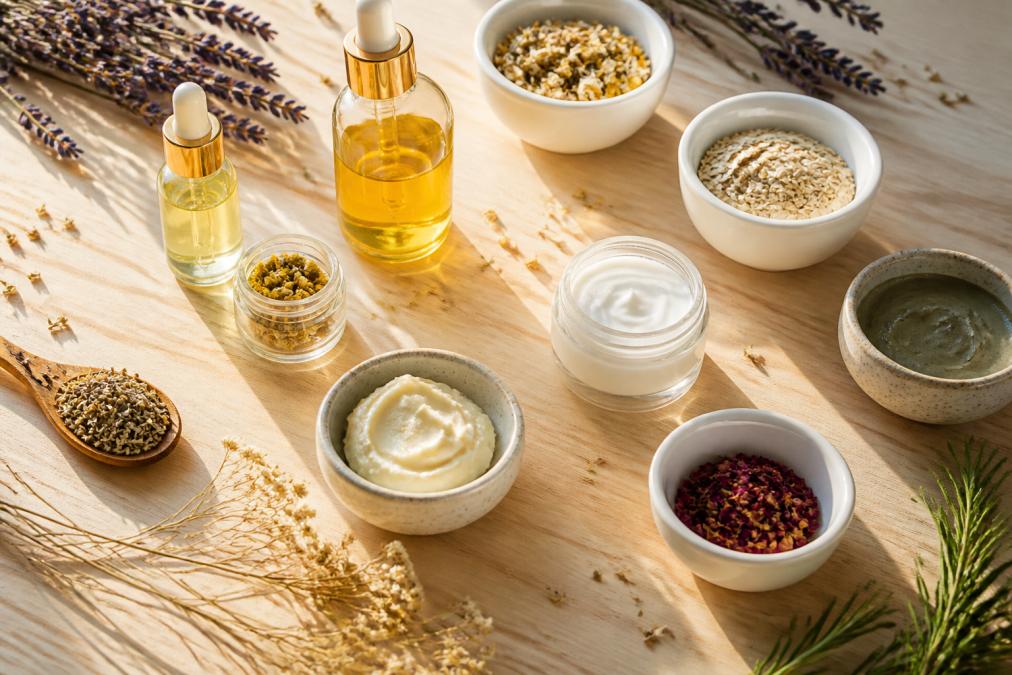
Building a simple regimen with clean ingredients
Start with a gentle cleanser that removes dirt and makeup without stripping oils. A simple plant-based cleanser removes buildup while preserving your skin barrier.
Next, apply a treatment product. For beginners, the Rice Raw Pulp Face Serum ($41.99) hydrates and balances without active ingredients that require adjustment periods. Finally, apply your nutrient-rich moisturizer. The Aloe Vera Gel Moisturizing & Soothing Body Oil ($63.99) works for both face and body, simplifying your routine.
Use this routine twice daily for at least four weeks before evaluating results. Skin cell turnover takes 28 days; fine lines and firmness improvements typically emerge over 6-8 weeks of consistent use.
Shelf-life and preservation of natural products
Natural products have shorter shelf lives than their synthetic counterparts. Most natural moisturizers remain stable for 12-18 months unopened. Once opened, use within 6-12 months depending on the preservation system.
Storage matters significantly. Keep products away from direct sunlight, heat, and humidity. A cool, dark bathroom cabinet is better than a sunny windowsill. Watch for signs of spoilage: separation, discoloration, or unusual odor. Discard the product rather than risking skin irritation. Brands using effective natural preservatives (like fermented plant extracts combined with vitamin E) maintain product integrity longer than those relying on single natural preservatives.
Benefits of Botanical Oils and Plant-Based Butters
Plant-based oils and butters deliver benefits that go beyond simple hydration. Jojoba oil closely mimics human sebum, making it universally tolerated and effective for balancing oil production. Rosehip oil addresses fine lines and hyperpigmentation through its vitamin A and lycopene content. Argan oil provides deep hydration and supports skin elasticity.
Plant-based butters like shea butter, cocoa butter, and mango butter create protective barriers while delivering vitamins and minerals. Shea butter contains oleic and stearic acids that support skin barrier function. These butters work best for dry skin types; those prone to congestion should use them sparingly or avoid them entirely.
The synergy between oils and butters matters. A formula combining lightweight jojoba oil with shea butter creates a texture that feels luxurious without being heavy. Blending multiple botanical ingredients optimizes results, with each component contributing something different.
| Botanical Oil | Best For | Key Benefit | Texture |
|---|---|---|---|
| Jojoba | All skin types, especially oily | Sebum balance | Lightweight |
| Rosehip | Fine lines, dark spots | Vitamin A, lycopene | Medium |
| Argan | Dry, mature skin | Elasticity support | Lightweight |
| Shea Butter | Dry, sensitive skin | Barrier reinforcement | Rich |
| Coconut | Antimicrobial needs | Natural antimicrobial | Medium |
Cost-Per-Ounce Analysis and Environmental Impact
Comparing prices requires looking beyond the sticker price. A $50 moisturizer used twice daily lasts roughly 45 days if the jar contains 2 ounces, about $1.11 per day. A $30 moisturizer in a 1-ounce jar lasts 20 days, $1.50 per day. The cheaper product actually costs more over time.
The Rice Raw Pulp Face Serum ($41.99) provides excellent value. Serums are used in smaller quantities than creams; a dime-sized amount covers the face. A single bottle lasts 2-3 months, bringing the monthly cost to roughly $14-21.
Environmental impact extends beyond price. Natural products with shorter shelf lives require more frequent replacement, increasing packaging waste. However, synthetic products often use petroleum-derived ingredients and complex manufacturing processes that carry their own environmental costs. Look for brands using recyclable or compostable packaging. Glass containers are reusable; plastic should be recyclable. Cold-pressed botanical oils require less processing energy than synthetic alternatives.
Choosing nutrient-rich moisturizers without synthetics means understanding ingredients, reading labels carefully, and accepting that natural products require different storage and use patterns than conventional alternatives. The formulas from Ageless Glow, including the [haruharu wonder] Centella Niacinamide Gel Cream, the Rice Raw Pulp Serum, and the All-Day & Night Cream, deliver visible anti-aging results through proven botanical ingredients and effective emollient systems. Start with a simple routine, patch test new products, and give your skin four weeks to adjust before evaluating results. Your skin barrier will strengthen, sensitivity will decrease, and you'll see the radiance that comes from genuinely clean, nutrient-rich skincare.
Frequently Asked Questions
How can I identify synthetic ingredients in skincare labels?
Check the ingredient list for names like dimethicone (silicone), phenoxyethanol, and synthetic fragrance. Avoid products listing 'fragrance' without specifying the source. Look for certifications like USDA Organic or EWG Verified, which restrict synthetic additives. Plant-based ingredients typically have botanical names (like Squalane from olives or Aloe Barbadensis). If you can't pronounce an ingredient and it's not a plant extract, it's likely synthetic. The Centella 5% Niacinamide Radiance Gel Cream uses plant-based squalane and certified botanical extracts, making ingredient verification straightforward.
What is the best natural anti-aging cream for women?
The best natural anti-aging cream combines plant-based emollients like shea butter and jojoba oil with antioxidant-rich ingredients such as bakuchiol (a retinol alternative) and rosehip oil. Look for products with niacinamide, which strengthens the skin barrier and reduces fine lines. The All-Day & Night 2-Pack Cream ($87.99) features Centella Asiatica and Niacinamide, both proven to reduce wrinkles and improve skin firmness. For sensitive skin, the Turmeric Face Cream ($43.99) offers anti-aging benefits through turmeric extract and essential vitamins without harsh actives. Patch test first to ensure compatibility with your skin.
What are the healthiest moisturizer ingredients to look for?
Seek cold-pressed oils (jojoba, rosehip, squalane), plant butters (shea, cocoa), and hydrating humectants like glycerin and hyaluronic acid. Antioxidant-rich ingredients such as vitamin C, vitamin E, and bakuchiol protect skin and support collagen production. Niacinamide strengthens the skin barrier and reduces inflammation. Avoid parabens, sulfates, synthetic fragrance, and silicones, which can disrupt the microbiome. The Rice Raw Pulp Face Serum ($41.99) combines plant collagen, glycerin, and hyaluronic acid for deep hydration without synthetic additives. Always verify certifications indicating pesticide-free and artificial fertilizer-free sourcing.
How long does it take to see results from natural moisturizers?
Most users notice improved hydration and skin texture within 2-4 weeks of consistent use. Fine lines and firmness improvements typically appear after 6-8 weeks as the skin barrier strengthens and collagen production increases. Results vary based on skin type, age, and product consistency. For deeper concerns like dark spots or significant wrinkles, allow 8-12 weeks. The Retinol Face Cream ($41.99) combines retinol with botanical hydrators for faster results, though retinol requires gradual introduction to avoid irritation. Consistency matters more than product switching; give each product at least 4 weeks before evaluating effectiveness.
This article was written using GrandRanker