

Table of Contents
- Understanding Dark Spots and Hyperpigmentation
- What Causes Dark Spots on Your Skin
- Best Natural Ingredients for Hyperpigmentation
- Step-by-Step Home Remedies to Fade Dark Spots Naturally
- How Long to See Skincare Results
- How to Prevent Dark Spots from Returning
- Professional-Grade Skincare for Faster Results
- Common Mistakes to Avoid When Treating Dark Spots
Last Updated: August 18, 2026
Understanding Dark Spots and Hyperpigmentation
Dark spots result from uneven melanin production when melanocytes become overactive or clustered in certain areas. These spots range from small freckle-like marks to larger patches, most commonly appearing on the face, hands, and shoulders where sun exposure is greatest.
Treatment approaches vary by type: age spots and sunspots result from cumulative UV damage; post-inflammatory hyperpigmentation (PIH) develops after skin trauma like acne or aggressive treatments; melasma stems from hormonal changes and genetic predisposition. Many dark spots respond well to natural ingredients and consistent home care. Unlike prescription treatments, natural remedies work gradually by supporting skin cell turnover and reducing inflammation. Most people see visible improvement within 4-8 weeks of consistent use, though deeper spots may require 3-6 months.
What Causes Dark Spots on Your Skin
UV exposure remains the primary culprit, triggering melanocytes to produce excess melanin as a protective response. Repeated sun exposure without adequate SPF accelerates this process, making prevention as important as treatment.
Hormonal fluctuations create another pathway to hyperpigmentation. Pregnancy, oral contraceptives, and hormone replacement therapy can trigger melasma, a condition where the face develops symmetric patches of darker skin. This hormonal-driven hyperpigmentation tends to be more persistent than sun-induced spots.
Inflammatory skin conditions and post-procedure trauma cause post-inflammatory hyperpigmentation. After acne lesions heal or following aggressive exfoliation, chemical peels, or laser treatments, the skin's repair process sometimes leaves darker patches, particularly in individuals with deeper skin tones.
Genetics and ethnicity play a significant role. Individuals with melanin-rich complexions naturally produce more melanin and are more prone to hyperpigmentation. Diet, stress levels, and overall skin health also influence melanin production and skin barrier function.
Best Natural Ingredients for Hyperpigmentation
Natural ingredients address hyperpigmentation through different mechanisms: some inhibit melanin production, others support skin cell turnover, and others reduce inflammation.
Vitamin C for Brightening
Vitamin C is one of the most researched natural brightening agents. This powerful antioxidant inhibits tyrosinase, an enzyme essential for melanin synthesis. When you reduce tyrosinase activity, you slow melanin production, gradually leading to more even skin tone.
Vitamin C also supports collagen synthesis and protects against UV damage. The challenge is stability, it oxidizes quickly when exposed to air or light. Look for serums in opaque, airtight packaging stored in cool conditions.
Ageless Glow's Vitamin C Brightening Facial Serum delivers this ingredient in stabilized form designed to penetrate effectively. The serum combines vitamin C with hyaluronic acid for hydration and vitamin E for additional antioxidant protection.

Lemon Juice and Citric Acid
Lemon juice contains citric acid, a natural bleaching agent used in traditional skincare for centuries. The acid gently exfoliates the outer skin layer, removing pigmented dead skin cells, and has mild bleaching properties that lighten existing pigmentation.
However, pure lemon juice is highly acidic and photosensitizing, increasing your skin's sensitivity to UV damage. Applying undiluted lemon juice before sun exposure can worsen hyperpigmentation and cause irritation.
A safer approach uses diluted lemon juice mixed with soothing agents. Combine one part fresh lemon juice with three parts rose water or aloe vera. Apply only at night, never before sun exposure, and always follow with broad-spectrum SPF 30+ sunscreen the next morning.
Aloe Vera and Green Tea Extract
Aloe vera serves multiple functions in treating dark spots. Its soothing compounds reduce inflammation, helping with post-inflammatory hyperpigmentation. Aloe also contains polysaccharides that support skin hydration and cell turnover.
Green tea extract brings powerful antioxidants called catechins that protect melanocytes from oxidative stress and may help regulate melanin production. Green tea also has mild anti-inflammatory properties, making it particularly useful for treating PIH.
Combining aloe and green tea creates a synergistic effect. Aloe provides hydration and soothing action while green tea delivers antioxidant protection.
Apple Cider Vinegar and Castor Oil
Apple cider vinegar contains acetic acid, providing mild exfoliating action similar to lemon juice but with lower photosensitizing effect. The acid helps remove dead skin cells containing excess melanin. Mix one part raw, unfiltered apple cider vinegar with three to four parts water before applying as a nighttime toner only.
Castor oil takes a different approach, it's a deeply nourishing oil rich in fatty acids and vitamin E that supports skin barrier health and may help fade spots through its anti-inflammatory compounds. Apply as a nighttime treatment over damp skin. For dark spots, castor oil works slowly but can produce noticeable results over 8-12 weeks.

Step-by-Step Home Remedies to Fade Dark Spots Naturally
Creating an effective natural remedy routine requires consistency. Aggressive daily treatments often irritate skin and trigger more hyperpigmentation. A gentle, consistent approach yields better long-term results.
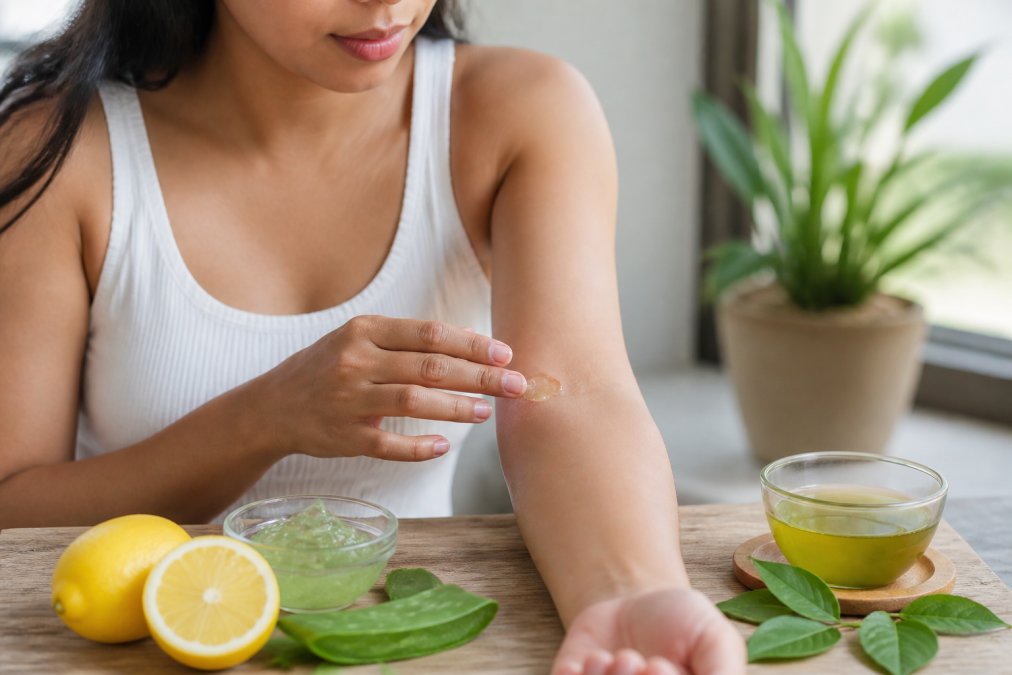
Patch Testing Before Full Application
Before applying any natural remedy to your entire face, patch test on a small area like your inner arm or behind your ear. Apply a small amount and wait 24-48 hours, watching for redness, itching, burning, swelling, or adverse reactions. If your skin tolerates the patch test well, proceed to broader application. Patch testing is essential if you have sensitive skin or are combining multiple ingredients.
Creating Your Natural Remedy Routine
Choose your main active ingredient based on your dark spot type: vitamin C for general hyperpigmentation, green tea extract for post-inflammatory hyperpigmentation, or aloe and castor oil for sensitive skin.
Apply your chosen treatment once daily, preferably at night. Morning application requires strict sun protection since many natural brightening agents increase photosensitivity. Start with 3-4 times weekly if you have sensitive skin, then gradually increase frequency as your skin adapts.
Follow this sequence each evening:
- Cleanse with a gentle, pH-balanced cleanser
- Pat skin dry completely
- Apply your chosen remedy to dark spots and surrounding area
- Wait 5-10 minutes for absorption
- Apply a lightweight moisturizer to lock in hydration
- Morning routine: Apply broad-spectrum SPF 30+ sunscreen before any sun exposure
Consistency matters far more than strength. Most dark spots require 4-8 weeks of consistent treatment before visible fading occurs. Deeper spots or melasma may need 3-6 months.
Exfoliation Techniques for Skin Cell Turnover
Exfoliation supports dark spot fading by removing dead skin cells containing concentrated melanin. However, aggressive exfoliation can trigger post-inflammatory hyperpigmentation, so gentle methods work best.
Chemical exfoliation using alpha-hydroxy acids (AHAs) provides controlled, even exfoliation. Use a low-concentration AHA product (5-10%) 2-3 times weekly, not daily.
Physical exfoliation requires a light touch. Use a soft washcloth, konjac sponge, or gentle exfoliating brush with circular motions, limiting to once or twice weekly.
Never combine chemical exfoliants with acidic natural remedies like lemon juice or apple cider vinegar on the same day, as this creates excessive acidity that damages your skin barrier.
How Long to See Skincare Results
Most people notice subtle changes within 2-3 weeks: skin appears slightly brighter and tone becomes more even. Visible fading typically appears between 4-8 weeks of consistent treatment. Significant fading, where spots become barely noticeable or disappear entirely, usually requires 8-12 weeks or longer. Deeper spots, melasma, and post-inflammatory hyperpigmentation often need 3-6 months.
Several factors influence results: the depth and age of your spots, your skin type, genetic predisposition to hyperpigmentation, consistency with treatment, and sun protection habits. If you see no improvement after 12 weeks of consistent treatment, your dark spots may require professional intervention.
How to Prevent Dark Spots from Returning
Prevention is far easier than treatment. Once you've faded dark spots, protecting your skin prevents new ones from forming.
Sun Protection and SPF
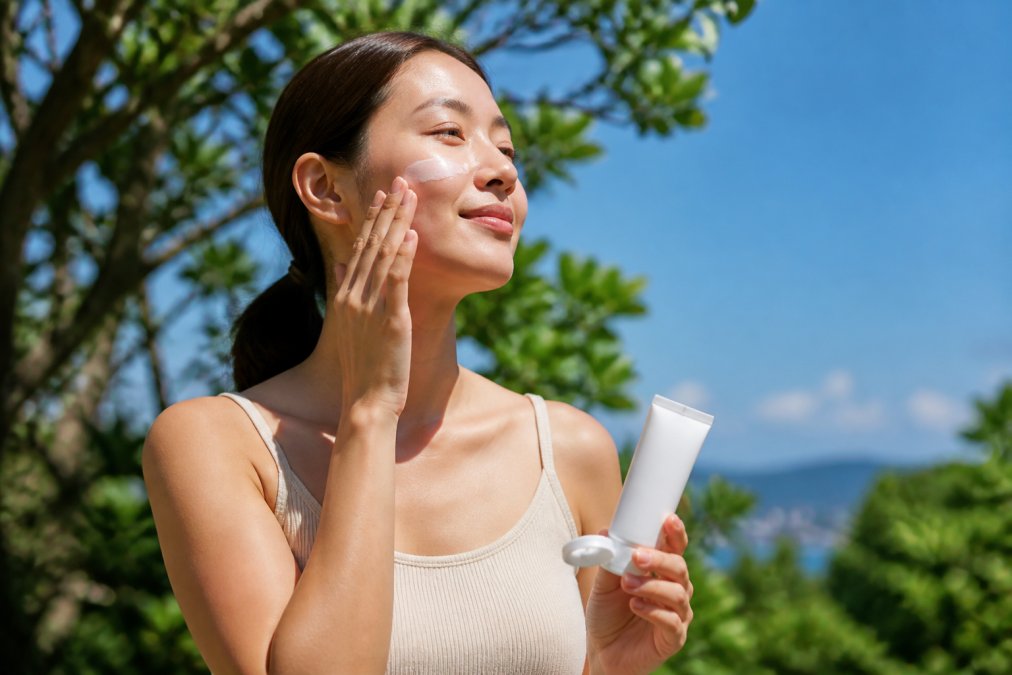
Sun exposure is the primary driver of age spots and sunspots. Preventing new spots requires consistent, year-round sun protection with broad-spectrum SPF 30 or higher. Apply sunscreen every morning, even on cloudy days, and reapply every two hours if outdoors or after swimming.
Consider additional sun protection: wide-brimmed hats, UV-blocking clothing, and seeking shade during peak sun hours (10 AM to 4 PM).
The Role of Diet and Internal Health
Internal health influences melanin production and skin barrier function. Antioxidant-rich foods protect skin from oxidative stress that triggers melanin overproduction. Berries, leafy greens, nuts, and seeds provide polyphenols and vitamins supporting skin health. Vitamin C from citrus fruits and bell peppers supports collagen synthesis and brightening. Omega-3 fatty acids from fish and flaxseeds strengthen your skin barrier and reduce inflammation.
Hydration matters significantly. Drinking adequate water supports skin cell turnover and helps maintain healthy barrier function. Chronic stress elevates cortisol, which can trigger inflammation and worsen hyperpigmentation. Prioritizing 7-9 hours of quality sleep and managing stress supports your skin's ability to heal and prevent new spots.
Professional-Grade Skincare for Faster Results
While natural home remedies work effectively, professional-grade skincare formulations often deliver faster results because they contain higher concentrations of active ingredients and stabilized forms that penetrate more effectively.
Ageless Glow offers targeted skincare specifically formulated for dark spots and hyperpigmentation. The Full-Size Korean Skincare Set for Dark Spots, Fine Lines & Glass Skin combines multiple active ingredients, including vitamin C derivatives, niacinamide, and plant extracts, in a comprehensive routine designed to address hyperpigmentation from multiple angles.

For those starting their dark spot journey, the Travel Size Skincare Kit for Dark Spot offers the same professional-grade formulations in smaller quantities.
The Vitamin C Brightening & Tone Repair Serum represents a higher concentration of stabilized vitamin C than most natural DIY versions can achieve. Professional serums use advanced delivery systems that help vitamin C penetrate effectively.
Professional-grade products aren't necessary for results, but they accelerate improvement. Many people combine natural ingredients with one professional-grade product: using a DIY green tea and aloe remedy at night, then applying a professional vitamin C serum in the morning.
Common Mistakes to Avoid When Treating Dark Spots
Understanding what doesn't work prevents wasted time and potential skin damage.
Using undiluted lemon juice directly on your face is the most damaging mistake. Undiluted citric acid irritates skin severely, increases photosensitivity dramatically, and often worsens hyperpigmentation. Always dilute lemon juice at minimum 1:3 with water or rose water, and never use it before sun exposure.
Expecting overnight results leads to abandoning effective treatments prematurely. Natural remedies require 4-8 weeks minimum to show visible results. Commit to a routine for at least 6-8 weeks before evaluating results.
Skipping sunscreen while treating dark spots is counterproductive. Many brightening ingredients increase photosensitivity, making your skin more vulnerable to UV damage during treatment. Without adequate sun protection, you're simultaneously trying to fade spots while allowing new damage to occur.
Over-exfoliating damages your skin barrier and triggers post-inflammatory hyperpigmentation. Using harsh scrubs daily or exfoliating more than 2-3 times weekly irritates skin and makes hyperpigmentation worse.
Ignoring patch testing before trying new ingredients risks severe reactions. A simple 24-48 hour patch test prevents this.
Treating all hyperpigmentation identically ignores that different types require different approaches. Post-inflammatory hyperpigmentation responds better to anti-inflammatory ingredients like aloe and green tea, while age spots respond better to exfoliation and vitamin C.
Treating dark spots naturally works, but it demands consistency and realistic expectations. You're supporting your skin's natural ability to shed pigmented cells and regulate melanin production, not bleaching pigment away overnight.
Start with a single ingredient matching your dark spot type. If you have sensitive skin or post-inflammatory hyperpigmentation, begin with aloe vera and green tea. If treating age spots or general hyperpigmentation, vitamin C offers the most research support. Add professional-grade skincare like Ageless Glow's Vitamin C Brightening Facial Serum once you understand your skin's needs. Combine any treatment with daily broad-spectrum SPF 30+ sunscreen and you'll see noticeable results within 8-12 weeks.
Frequently Asked Questions
What fades dark spots the fastest naturally?
Vitamin C serums combined with consistent sun protection show the fastest results for fading dark spots, often visible within 4-6 weeks of daily use. Lemon juice and apple cider vinegar work quickly due to their citric and acetic acid content, which accelerates skin cell turnover. However, patch testing is essential first, as these acidic remedies can irritate sensitive skin. Combining topical treatments with dietary antioxidants and avoiding sun exposure speeds up the fading process significantly.
How long to see skincare results for dark spot reduction?
Most natural remedies require 4-8 weeks of consistent daily application to show visible results in skin discoloration. Vitamin C and exfoliation methods typically show improvement within 6-8 weeks as they increase skin cell turnover. Age spots and sun-induced hyperpigmentation may take longer (8-12 weeks) than post-inflammatory hyperpigmentation, which can fade within 4-6 weeks. Results depend on the depth of the spots, your skin type, and how consistently you apply treatments and sun protection.
Are natural ingredients really effective for hyperpigmentation, or should I see a dermatologist?
Natural ingredients like vitamin C, aloe vera, green tea extract, and castor oil are dermatologist-approved options that effectively reduce mild to moderate hyperpigmentation. They work by promoting antioxidant activity, soothing inflammation, and supporting skin barrier repair. However, if dark spots are deep, rapidly changing, or don't improve after 3 months of consistent treatment, consult a dermatologist to rule out melanoma or other skin conditions. Natural remedies work best for prevention and early-stage discoloration.
How do I know if a natural remedy will irritate my sensitive skin?
Always perform a patch test 24-48 hours before applying any remedy to your face. Apply a small amount to your inner forearm or behind your ear and watch for redness, burning, or itching. Lemon juice and apple cider vinegar are photosensitizing and require dilution for sensitive skin. Aloe vera and green tea extract are generally safer for reactive skin. If you have a history of contact dermatitis or rosacea, start with the gentlest options like aloe vera or diluted vitamin C serum.
This article was written using GrandRanker