

Table of Contents
- What Medical Grade Skincare Actually Means (and What It Doesn't)
- Medical Grade Skincare vs. Over-the-Counter: Key Differences That Matter
- The Real Benefits: Collagen, Elastin, and Long-Term Skin Health
- Is Medical Grade Skincare Worth It? A Cost and Value Breakdown
- How Long Does Medical Grade Skincare Take to Work?
- How to Choose Medical Grade Skincare Without Wasting Money
- Conclusion: Building a Routine That Delivers Visible Results
- Frequently Asked Questions
Last Updated: October 13, 2026
What Medical Grade Skincare Actually Means (and What It Doesn't)
Medical grade skincare is a marketing term, not a regulated category, and that distinction shapes everything that follows. The phrase describes products sold through dermatologists, medical spas, and professional channels rather than drugstore shelves, but no federal agency defines or polices it. At Ageless Glow, we see this confusion constantly: shoppers assume "medical grade" guarantees prescription-level potency when the label itself carries no legal weight.
The Regulatory Reality Behind the Label
The FDA's guidance on cosmetic versus drug claims draws a hard line: a product that changes skin structure is a drug, and one that only improves appearance is a cosmetic. Most medical grade skincare sits in the cosmetic column. That means a moisturizer marketed as "medical grade" isn't automatically stronger or safer than an over-the-counter option. What separates them is usually concentration, delivery format, and where you buy it, not a government stamp of approval.
Medical Grade Skincare vs. Over-the-Counter: Key Differences That Matter
The real difference comes down to active ingredient concentration and how well a formula carries those ingredients into the skin. Over-the-counter skincare is built for broad safety across all skin types, which caps how much of an active like retinol or vitamin C a formula can include. Professional-channel products often push those concentrations higher, but higher isn't always better for sensitive skin.
Ingredient Concentration and Delivery Systems
A well-formulated serum pairs its active ingredients with delivery systems that help them absorb rather than sit on the surface. The Hyaluronic Acid & Niacinamide Hydrating Serum we carry is a good example: hyaluronic acid attracts and holds moisture while niacinamide supports the look of smaller pores and more even tone. Concentration matters, but so does the vehicle carrying it.

How Deep They Actually Penetrate
Penetration claims deserve skepticism. The skin barrier is designed to keep things out, and most ingredients stop in the outer layers regardless of marketing. What actually reaches deeper layers depends on molecular size, formulation, and the condition of your barrier. This is where the term "medical grade" gets stretched thinnest.
| Factor | Over-the-Counter Skincare | Medical Grade Skincare |
|---|---|---|
| Active concentration | Capped for broad safety | Often higher |
| Where it's sold | Drugstores, mass retail | Professional channels |
| Regulatory status | Cosmetic or drug, per claims | Usually cosmetic |
| Best for | Beginners, sensitive skin | Targeted concerns, experienced users |
The Real Benefits: Collagen, Elastin, and Long-Term Skin Health
The honest benefit of medical grade skincare is consistency over time, not overnight transformation. Ingredients like retinoids and vitamin C support the skin's own renewal process, which shows up gradually as improved texture and tone. No cream rebuilds collagen directly; well-chosen actives support the conditions where your skin maintains it.
Fine Lines, Wrinkles, and Skin Firmness
Retinol remains the most studied over-the-counter-adjacent active for softening the look of fine lines. Our Hyper Serum PM pairs retinol with exfoliating acids to support texture and tone overnight, while the daytime Hyper Serum AM focuses on brightening. Used consistently, this split routine addresses fine lines and firmness without overloading skin in a single step.
Texture, Tone, and Hydration Improvements
Hydration is the fastest visible win. Snail mucin, sodium hyaluronate, and moisturizing ingredients help skin feel softer and look more plumped, which can make fine lines appear less pronounced. The [Beauty of Joseon] Dynasty Cream is built for this: a tight texture that forms a thin film to carry moisture and actives.

Is Medical Grade Skincare Worth It? A Cost and Value Breakdown
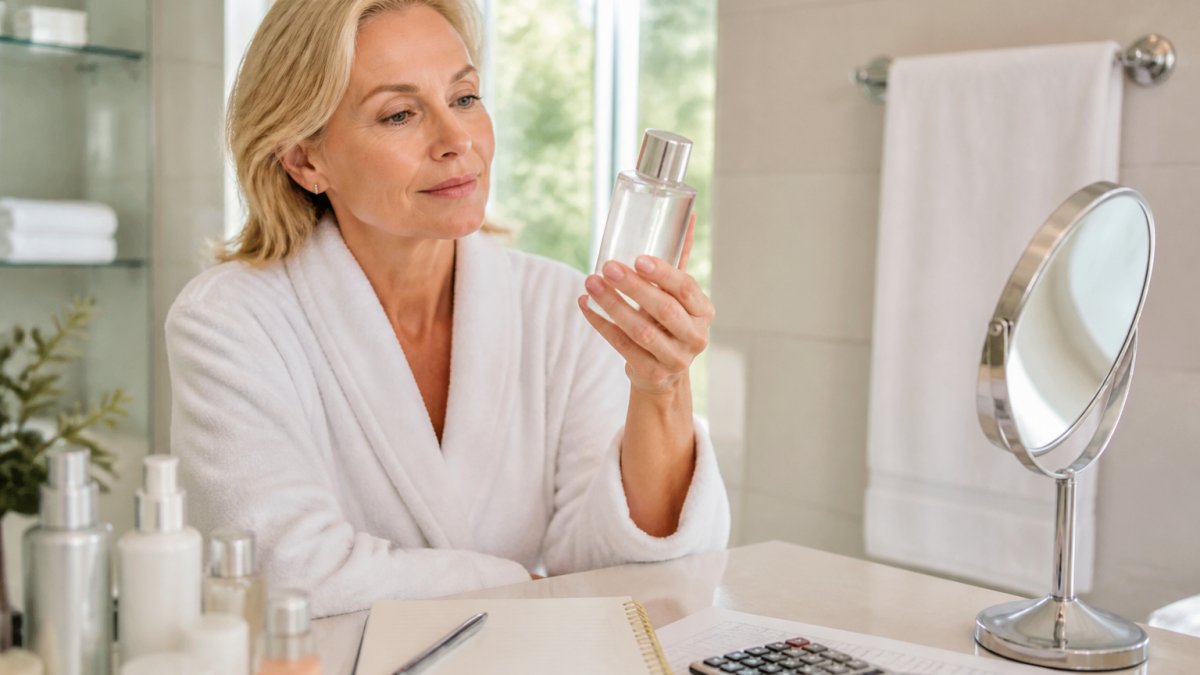
Worth it depends on three things: whether the formula matches your actual concern, whether you'll use it consistently enough to finish the bottle, and whether a cheaper product would have done the same job. The label itself adds no value. The math does.
Cost Per Use, Not Cost Per Bottle
A $60 serum used twice a day for three months works out to roughly $0.33 per application. A $180 serum used twice a week for the same period runs closer to $6.90 per application.
A common pattern we see: shoppers buy a single high-concentration active, use it inconsistently because it irritates, and end up spending more per month than someone on a simple, well-tolerated routine they actually keep.
When a Less Expensive Product Is Enough
Medical grade is not automatically the right call. A drugstore moisturizer with ceramides and glycerin can do the same barrier-support job as a professional-channel cream for a fraction of the cost.
If your concern is hydration, barrier support, or basic cleansing, a mass-retail product is often sufficient. If your concern is pigmentation, fine lines, or texture that hasn't responded to over-the-counter options, the higher-concentration formulas are where the extra spend tends to show up.
A Simple Decision Framework
- Start with the concern, not the label. Identify one primary concern (texture, tone, fine lines, hydration) and pick the active that addresses it.
- Price the full routine, not one hero product. A serum without a moisturizer and SPF won't deliver what the serum alone promises.
- Compare cost per use across the whole routine. A $170.94 six-product set used nightly for three months is roughly $0.95 per application across the full AM/PM system, which is often less than a single neglected premium serum.
How Long Does Medical Grade Skincare Take to Work?
Expect four to six weeks for hydration and texture changes, and closer to three months for tone and fine-line improvements. Cell turnover and collagen support are gradual processes, and skin needs time to respond.
Full-Size Korean Skincare Set for Dark Spots, Fine Lines & Glass Skin →
But "wait three months" is not useful advice on its own. What matters is knowing what to track, when to adjust, and when to stop.
Realistic Timelines by Concern
- Hydration and plumpness: 3 to 7 days. This is the fastest visible change and the easiest to confuse with real improvement.
- Texture and smoothness: 4 to 6 weeks. Reflects increased cell turnover from retinoids or exfoliating acids.
- Tone and pigmentation: 8 to 12 weeks. Melanin takes longer to shift, and results depend heavily on daily SPF.
How to Track Whether It's Actually Working
Pick one or two measurable markers before you start and photograph them under the same lighting, at the same time of day, once a week. Useful markers include:
- Hydration: how skin feels two hours after moisturizing, not immediately after.
- Texture: how foundation or sunscreen sits on the skin, or how skin feels when you run a finger across your cheek.
- Pigmentation: the contrast between a spot and the surrounding skin, not the absolute darkness of the spot.
- Tolerability: how many days per week you can use the product without redness, stinging, or peeling.
If tolerability is dropping while texture is improving, you're pushing too hard. If both are flat after eight weeks of consistent use, the product likely isn't the right one for your concern.
Building Up Without Backfiring
Consistency beats intensity. Using a retinol serum every night from day one often backfires, causing irritation that forces you to stop. Start two to three nights a week and build up. The Centella 5% Niacinamide Radiance Gel Cream is a gentle option for sensitive skin, formulated to calm redness while supporting hydration and barrier function.

A practical ramp for a new active:
- Weeks 1-2: two nights per week, buffered with moisturizer.
- Weeks 3-4: three nights per week if there's no persistent redness or stinging.
- Weeks 5-8: every other night, then nightly if tolerated.
- Any time irritation appears: drop back one step and hold there for two weeks before advancing again.
When to Stop and See a Dermatologist
Stop the product and consult a dermatologist if you develop persistent redness lasting more than a few days, blistering, swelling, or a rash that spreads beyond where you applied the product. If you're pregnant, nursing, or using prescription treatments such as tretinoin or isotretinoin, check with a dermatologist before adding any new active. Patch test new products on the inner forearm for three to five days before applying to the face, and introduce only one new active at a time so you can tell what's causing a reaction.
How to Choose Medical Grade Skincare Without Wasting Money
Choose by ingredient and skin type, not by the "medical grade" label. Match actives to your actual concern, start with one new product at a time, and give each one a full month before judging it.
Ingredients to Look For (and What to Avoid)
- Look for: niacinamide, hyaluronic acid, vitamin C, arbutin, licorice root, and retinoids for targeted concerns
- Avoid: alcohol-heavy formulas if your skin is dry, and stacking multiple strong actives at once
- Patch test: apply new products to a small area for a few days before full use
Safety, Irritation, and Contraindications
Retinoids and exfoliating acids can cause redness, peeling, and sun sensitivity, especially in the first weeks. If you're pregnant, nursing, or using prescription treatments, check with a dermatologist before adding actives. Buy from established retailers to avoid counterfeit products, which is a real risk in professional-channel skincare.
Conclusion: Building a Routine That Delivers Visible Results
The benefits of medical grade skincare are real, but they come from the right ingredients used consistently, not from the label. Build a simple AM/PM system, introduce actives slowly, and protect your progress with daily SPF. Ageless Glow offers targeted skincare, beauty tools, and wellness products designed for visible results, from our Korean skincare sets to hydrating serums and facial devices.
Frequently Asked Questions
What are the main benefits of medical grade skincare?
Medical grade skincare typically offers higher concentrations of active ingredients like retinol, vitamin C, and niacinamide. These formulas are designed to penetrate deeper layers of the skin, supporting collagen production, improving skin texture, and reducing the appearance of fine lines and wrinkles. Many users also notice better hydration, more even skin tone, and improved elasticity with consistent use over several weeks to months.
Is medical grade skincare worth the money compared to drugstore products?
It depends on your skin concerns and budget. Medical grade products often cost more because they contain higher concentrations of active ingredients and use advanced delivery systems. If you are targeting specific issues like hyperpigmentation, acne, or signs of aging, the concentrated formulas may deliver more noticeable results than over-the-counter options. However, consistent use and professional guidance are key to seeing value from the investment.
How long does it take to see results from medical grade skincare?
Most people notice initial improvements in hydration and skin texture within 2 to 4 weeks. Visible changes in fine lines, wrinkles, and skin tone typically take 8 to 12 weeks of consistent use. Ingredients like retinol and vitamin C work gradually by supporting cell turnover and collagen production, so patience and daily application are essential for long-term improvement.
Do you need a dermatologist to use medical grade skincare?
Not always, but professional guidance helps. Some medical grade products contain high concentrations of active ingredients that can cause irritation if used incorrectly. A dermatologist or skincare professional can assess your skin type, recommend appropriate products, and advise on how to introduce them into your routine safely. If you have sensitive skin or specific dermatological concerns, consulting a professional is especially important.
The challenge with medical grade skincare isn't finding products; it's building a routine you'll stick with long enough to see results. Ageless Glow curates targeted skincare, nutrient-rich formulas, and beauty tools designed to make that routine effortless, so you can address fine lines, dark spots, and hydration without guesswork. Explore our collection and add to cart to begin your routine today.